
Mobile Patrol Security




Request a Free Quote!
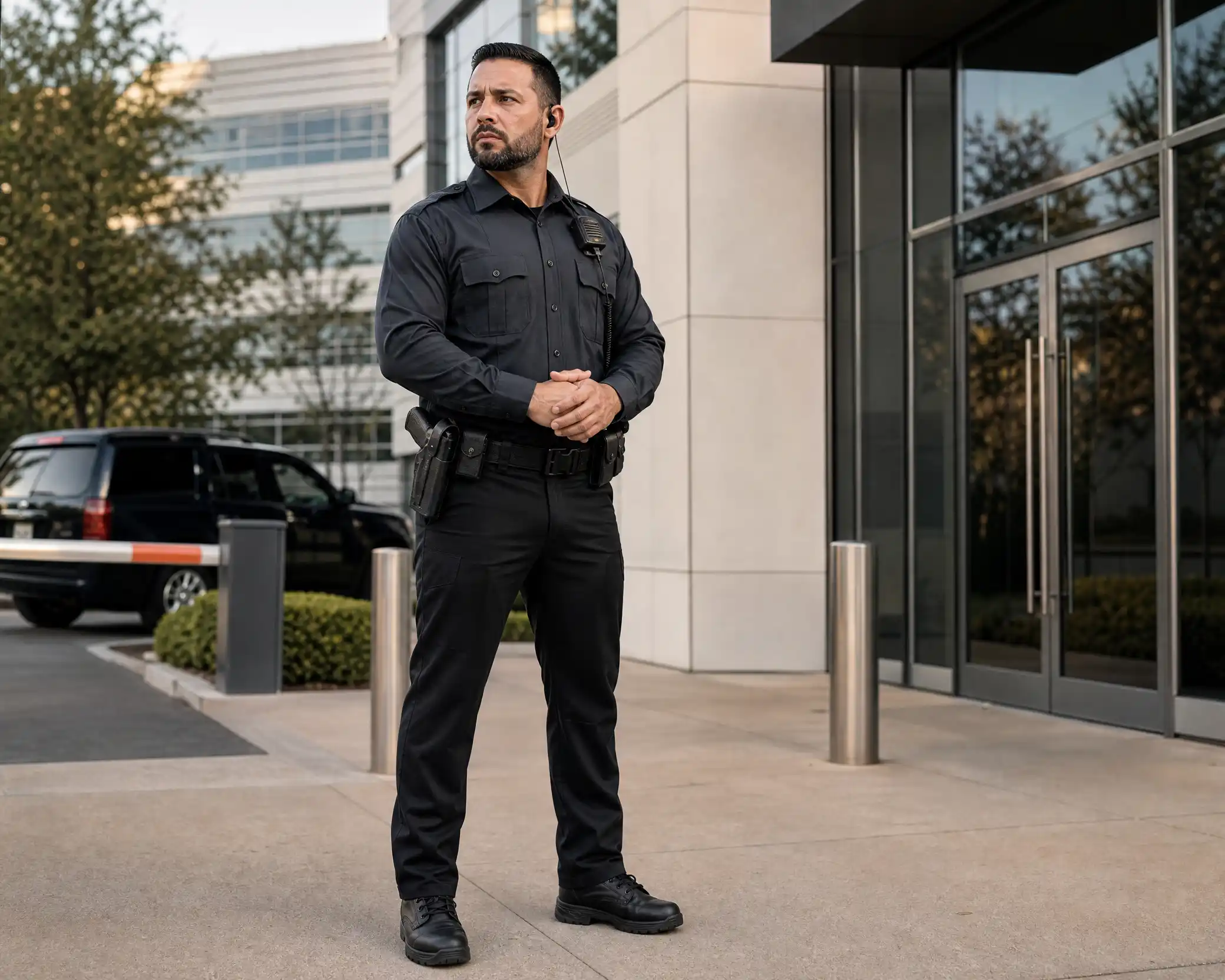
What Is Mobile Patrol Security in San Jose?
What Does a San Jose Mobile Patrol Officer Check?
A useful patrol visit should be tied to the property’s actual exposure and post orders rather than a generic drive-through. Depending on the contracted scope, officers may inspect exterior access points, doors and gates, parking areas, garages, loading or service zones, perimeter conditions, lighting, common exterior areas and visible signs of damage or unauthorized activity.
| Patrol Check | What the Officer Looks For | Typical Documentation |
|---|---|---|
| Doors and gates | Open, damaged or unsecured conditions; access exceptions | Visit note or exception report |
| Parking and garages | Vehicle/pedestrian activity, visible damage, lighting or access concerns | Checkpoint completion and observations |
| Perimeter and exterior zones | Fence, gate, exterior access or unusual conditions | Patrol log; photos where genuinely used |
| Loading/service areas | After-hours access, doors, trailers, deliveries or unusual activity | Visit record and escalation note when needed |
| Lighting/common exterior areas | Outages, hazards or unusual property conditions | Condition note and notification as required |
Scheduled vs. Randomized Mobile Patrols
| Patrol Model | Best For | Typical Use |
|---|---|---|
| Scheduled patrol | Known operating times | Opening/closing, shift transitions and fixed operational checks |
| Randomized patrol | Reducing predictability | After-hours parking, perimeter and recurring unwanted activity |
| Mixed patrol plan | Combining certainty and variability | Properties that need fixed tasks plus variable patrol visits |
01
Assess the Property, Risk and Operating Hours
Patrol design starts with the property rather than a standard visit count. Grand Protective Security should review the footprint, access points, parking and garages, loading areas, operating hours, incident patterns, existing guards, CCTV, access-control systems and management concerns.
02
Build the Patrol Route and Checkpoint Map
The patrol route should identify the locations that matter most: doors, gates, garages, parking lots, service entrances, loading areas, perimeter zones, secondary buildings and restricted points. Each checkpoint should have a reason for being included.
03
Set Patrol Frequency and Timing
Patrol frequency should be based on risk, property size, operating hours, prior incidents, number of checkpoints, after-hours exposure, existing security controls and budget. There is no universal visit count that fits every San Jose property.
04
Define Patrol Post Orders and Officer Actions
Written post orders should define what the officer is expected to inspect, record and escalate. They can identify required checkpoints, property rules, authorized contacts, prohibited actions, emergency-notification procedures and any contracted tasks
05
Verify Each Patrol Visit
Patrol accountability should answer three buyer questions: Did the visit occur? What was checked? What was found? Verification can use visit records, timestamps, checkpoint completion, location-based tracking, photos, digital reporting or supervisor review when those capabilities are actually used by Grand Protective Security. The final patrol plan should identify the verification method that applies to the contract rather than promising technology that is not in use.
06
Escalate and Document Exceptions
When an officer finds an open door, damaged gate, lighting problem, unauthorized person or vehicle, suspicious activity, property damage or another exception, the officer should follow the agreed post orders. The high-level sequence is to observe, protect personal safety, notify the appropriate contact or emergency services when required, and document the condition and actions taken. Mobile patrol does not create police authority or guarantee emergency response times.
07
Review Patrol Results and Adjust the Plan
A patrol plan should change when the property changes. Incident patterns, repeated exceptions, client feedback, low-value checkpoints, construction phases, tenant changes, new operating hours or changes to existing CCTV and access control can justify a route or frequency review. The goal is not to repeat the same route indefinitely; it is to keep patrol activity aligned with current property needs.
Mobile Patrol for San Jose Technology and Corporate Campuses
Mobile Patrol for Warehouses, Logistics and Industrial Properties
Mobile Patrol for Construction and Redevelopment Sites
Mobile Patrol for Parking Lots, Garages and Vehicle Areas
Mobile Patrol for Retail, Mixed-Use and Commercial Properties
Mobile Patrol vs. CCTV Monitoring
Mobile Patrol vs. Armed Security
Mobile patrol is designed for recurring or distributed physical checks. Armed security is a continuous higher-risk staffing model that may be appropriate only when a site-specific assessment supports it.
Alarm Response, Lock / Unlock and After-Hours Checks
Alarm response, lock/unlock and specialized after-hours tasks can be valuable additions to a patrol plan, but they should be described as optional contracted functions only when Grand Protective Security confirms that it provides them.
Patrol Verification, Digital Reporting and Client Accountability
Patrol reporting should make the service auditable. Depending on the verified operating system, records may include visit time, completed checkpoints, exceptions, photos, incident details, notifications and supervisor review.
How Is Patrol Frequency Determined?
Patrol frequency is a site-design decision, not a universal number. Grand Protective Security should consider property footprint, risk, operating hours, incident history, checkpoint count, existing guards
When Mobile Patrol Is Not Enough
Mobile patrol may not be enough when a property needs uninterrupted physical presence, continuous access control, a public-facing lobby post, persistent coverage of a sensitive restricted area or another duty
How Much Does Mobile Patrol Security Cost in San Jose?
Mobile patrol pricing in San Jose depends on the number of visits, number of properties, route complexity, time required on site, foot-check requirements, garages or interior areas, scheduled versus randomized timing, optional contracted tasks, reporting needs, operating hours and urgency.
Why Choose Grand Protective Security for Mobile Patrol in San Jose?
- Site-Specific Routes & Checkpoints
- Scheduled, Randomized & Mixed Patrols
- Defined Escalation & Post Orders
- Verified Reporting & Patrol Documentation
- Layered Security Options
San Jose Areas and Property Environments We Serve
Define What Makes a Patrol Visit Useful
Separate Vehicle Checks From Foot Checks
Prioritize High-Value Checkpoints Instead of Treating Every Zone Equally
Use Exception Trends to Improve the Patrol Plan
San Jose Patrol Need -> Route -> Checkpoint -> Verification Map
| Property Need | Route Logic | Example Checkpoints | Accountability |
|---|---|---|---|
| Tech/corporate campus | Multi-building and after-hours zones | Parking, secondary doors, service/loading, perimeter | Visit record, checkpoint completion, timestamp/report where verified |
| Warehouse/logistics | Gate, loading, yard and vehicle exposure | Gate, loading dock, trailers, yard, perimeter | Visit log, exceptions and incident report |
| Construction | Temporary access, equipment and materials | Fence/gates, equipment, parking, perimeter | Timestamped visit and photos where used |
| Parking/garage | Distributed vehicle areas | Entrances, levels/zones, gates, lighting | Checkpoint completion and exception report |
| Retail/mixed-use | Closing, rear and service exposure | Storefront/rear doors, loading, parking, exterior common areas | Visit record and escalation notes |
| Multi-site portfolio | Several properties with different priorities | Site-specific priority checkpoints | Route log and property-by-property reporting |