
Mobile Patrol Security Services in Oakland, CA
Grand Protective Security provides mobile patrol security services in Oakland, California for properties that need recurring, visible and documented security checks without a continuously staffed fixed post. Patrol coverage can use scheduled patrol or randomized patrol visits, a defined patrol route, site-specific checkpoint requirements, property checks and escalation procedures based on the property risk profile and operating needs.
Get an Oakland Mobile Patrol Quote or request a Patrol Site Assessment at (510) 417-6817.




Request a Free Quote!
What Is Mobile Patrol Security in Oakland?
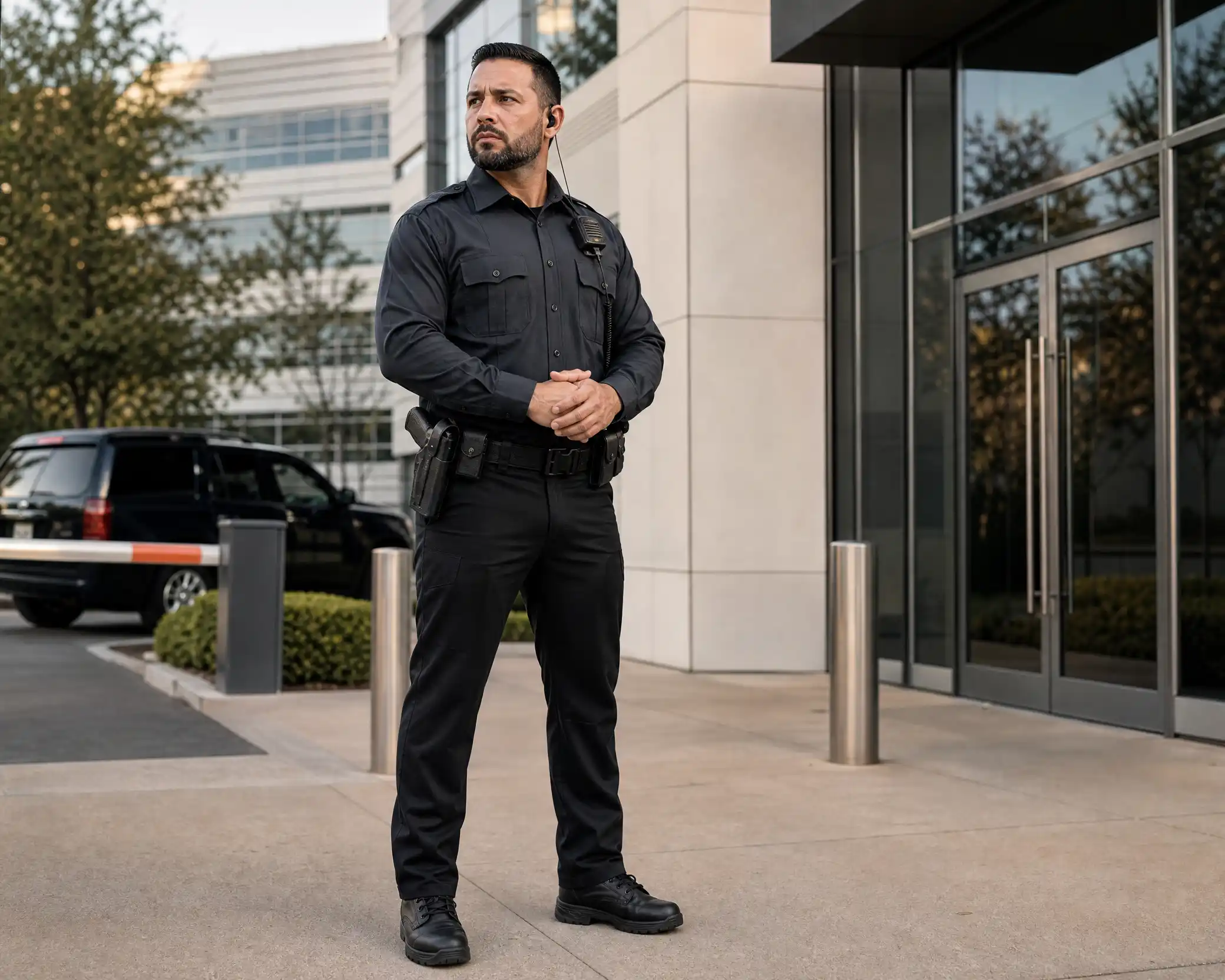
Mobile patrol security in Oakland provides recurring visits by a patrol officer using a patrol vehicle, including a marked patrol vehicle, to inspect agreed areas of a property at scheduled or randomized intervals. It creates intermittent physical security presence, checks defined patrol zones and exceptions, documents observations, and follows site-specific post orders when an issue requires escalation.
How Oakland Mobile Patrol Security Works
- Site Review and Patrol Objectives
- Patrol Route and Checkpoints Are Defined
- Scheduled and/or Randomized Visits Are Set
- Officer Conducts the Property Check
- Findings Are Documented
- Issues Are Escalated According to Post Orders
- Coverage Is Reviewed and Adjusted
Scheduled vs. Randomized Mobile Patrols in Oakland
| Factor | Scheduled Patrol | Randomized Patrol |
|---|---|---|
| Timing | Known or defined window/time | Arrival varies within agreed coverage windows |
| Best for | Lock/unlock, shift changes and required operational checks | Deterrence where predictability should be reduced |
| Main value | Consistency and task completion | Unpredictability and recurring visible presence |
| Limitation | Predictable if used alone | Not ideal when a task must occur at a precise time |
| Possible approach | Use for specific required checks | Blend with scheduled tasks where appropriate |
Scheduled security patrols are useful when a required operational check must occur at or around a known time. Random security patrols are useful when unpredictability is part of visible deterrence and the exact arrival time does not need to be fixed. Many Oakland properties can use a blend of required visit windows and randomized arrival timing.
How Are Mobile Patrol Visits Verified?
A property manager should be able to verify that required patrol visits occurred and understand what the officer observed. Depending on the actual operating model, verification may use a timestamp, GPS tracking, a checkpoint scan, photo evidence, patrol receipt, daily activity report, incident report or dispatch log.
A redacted real patrol report or receipt can become strong first-party proof once available.
What Happens If a Patrol Officer Finds a Problem?
| Observed Condition | Patrol Action | Escalation / Documentation |
|---|---|---|
| Unsecured gate / open door | Verify condition, inspect immediate area, follow secure instruction if authorized | Notify contact if required; document |
| Trespass / loitering | Observe and assess from a safe position; follow post orders | Authorized contact / police where appropriate; incident report |
| Suspicious vehicle / person | Observe details, document and follow site protocol | Notify client/dispatch; police if circumstances warrant |
| Vandalism / damage | Document condition and check for immediate hazards or entry points | Notify client; emergency services if required |
| Alarm activation | Respond only if alarm response is contracted; verify visible conditions | Follow alarm/post-order escalation; 911 for active emergency |
| Lighting / safety issue | Document exact location and condition | Notify property contact or maintenance as instructed |
Post Orders: How Armed Security Duties Are Defined
Armed security should operate from written site-specific responsibilities rather than vague instructions. Post orders can define the post location, coverage hours, access rules, visitor/vendor process, restricted areas, patrol route, communications, incident categories, emergency contacts, reports, relief or break procedures, and the escalation chain.
Clear post orders reduce role ambiguity and help align the armed officer, client contact, supervisor, dispatch process, and public emergency responders around the same expectations.
Mobile Patrol Services for Oakland Property Types
Commercial Buildings and Offices
Apartment Communities and HOAs
Construction Sites
Warehouses, Distribution and Port-Adjacent Logistics
Retail and Mixed-Use Properties
Parking Lots and Garages
Vacant or Temporarily Closed Properties
Multi-Site Property Portfolios
Mobile Patrol for Oakland's Main Property Environments
- Downtown Oakland / Uptown: commercial offices, parking, mixed-use properties and after-hours exterior checks.
- Jack London Square / waterfront commercial areas: parking, retail/hospitality exteriors, warehouses and mixed-use operations.
- West Oakland / I-880 / port-adjacent inventory areas: warehouse/logistics yards, loading docks, gates, trailers and overnight industrial exposure.
- Residential / HOA areas: apartment communities, garages, gates, common areas and recurring patrol needs.
- Construction / redevelopment corridors: temporary perimeter, materials, equipment, access points and nighttime property checks.
Why Choose Grand Protective Security for Mobile Patrol in Oakland?
- Site-Specific Patrol Plans
- Oakland + East Bay Service Context
- Documented Patrol Accountability
- Multiple Security Services Under One PPO
- California-Licensed Private Security Provider
Frequently Asked Questions
Mobile patrol security provides recurring scheduled or randomized visits by a patrol officer who inspects agreed Oakland property areas, documents observations and follows post orders when an exception requires escalation. It is intermittent physical coverage rather than a continuously staffed standing post.
The patrol plan may include doors, gates, fences, perimeter, parking lots, garages, stairwells, common areas, loading docks, yards, lighting, restricted areas, storage zones and other checkpoints. The exact checklist should come from the site-specific post orders.
Scheduled patrols support tasks that should occur in a defined window, such as opening, closing or required inspections. Randomized patrols vary arrival timing to reduce predictability. Many properties can combine scheduled task windows with randomized arrival times.
Depending on the systems Grand Protective Security uses, verification may use timestamps, GPS tracking, checkpoint scans, photos, patrol receipts, daily activity reports or incident reports.
There is no universal frequency. The number of visits depends on risk, property size, checkpoints, hours, incident history, operational tasks, desired unpredictability, response expectations and budget. A site review should set the frequency.
Yes, when those checkpoints are included in the approved patrol plan. Officers can inspect designated doors, gates, parking, garages, perimeter, loading docks, yards and other areas during the visit, subject to site access and assigned duties.
If provided, a patrol officer may attend, observe visible conditions, follow the alarm post orders, notify designated contacts and call public emergency services when an active emergency requires them.
Neither is universally better. Mobile patrol fits recurring or distributed checks, after-hours presence and multi-site coverage. A standing guard fits continuous access control, lobby/gate management, customer interaction or persistent higher-risk needs.
A multi-site plan can coordinate routes across several properties while using different checkpoints, visit frequency and post orders at each location. Actual route capacity and Oakland/East Bay availability should be confirmed during the quote process.
Commercial buildings, apartment communities and HOAs, construction sites, warehouses and logistics properties, retail and mixed-use sites, parking facilities, vacant properties and multi-site portfolios may benefit when recurring physical checks are sufficient.
Provide the property address or area, property type, number of properties, desired patrol hours, preferred visit count or not sure, scheduled/random preference, walk-through or drive-through needs, doors/gates/checkpoints, alarm or lock/unlock needs, current security, recent incidents, start date and urgency.