
How Armed Security Guards Respond to Security Threats
Armed security guards are not placed on site to deal with everyday problems like loitering or minor disputes. They are there because a serious attack, such as an armed robbery or a violent intruder, is a realistic possibility. That changes everything about how they work. Every decision is made faster, under more pressure, and with higher consequences.
This guide explains how armed guards respond when a threat is credible and high-risk: how they assess it, protect people, communicate, decide on force, work with police, and learn from the incident. It also covers legal limits and helps you judge when armed security is actually appropriate.
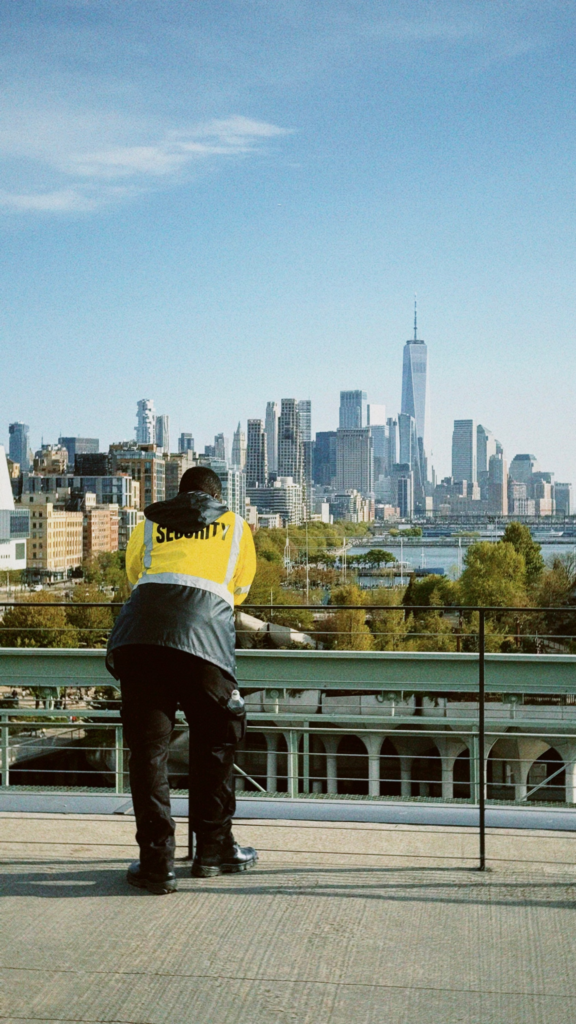
Armed security guards are trained to make quick decisions while keeping the safety of people nearby as their first priority.
Armed Guards and High-Risk Threats
A high-risk threat is one where people could be seriously hurt or killed. Typical examples include:
- A visible or claimed weapon
- An armed robbery or attempted robbery
- An intruder forcing entry with violent intent
- A credible verbal or written threat of violence
- A hostage-style situation
- An attacker already harming people
Routine suspicious behavior, such as someone loitering or testing a door, is handled by standard site procedures and does not need an armed response. The armed guard’s role begins when the threat moves from suspicious to dangerous. Businesses facing elevated security risks may benefit from professional armed security services tailored to their site and operational needs.
Even then, the firearm is rarely the first tool. A guard’s value lies in clear thinking, early warning, and keeping people safe, with force held back as the final option.
How Armed Guards Respond to a High-Risk Threat
Professional response follows a clear sequence, practiced until it becomes habit:
- Credible threat identified: a weapon, an attack, or a serious threat is confirmed or strongly indicated.
- Immediate assessment: the guard quickly judges the danger.
- Protect people: staff and visitors are moved away from harm.
- Emergency communication: the control room and police are alerted.
- Lawful response: force is used only if no safer option exists.
- Police coordination: the guard hands over the scene and information.
- Incident review: facts are recorded and lessons applied.
The next sections explain each stage. Assessment and communication come first, because everything else depends on them.
Immediate Assessment
The guard has seconds, not minutes. They ask four questions:
- Is a weapon present, claimed, or likely?
- Who is at risk, and where are they?
- Where is the threat now, and is it moving toward people?
- Are there safe exits, cover, or distance available?
Armed security guards must quickly determine whether the threat is immediate and whether anyone is in direct danger.
Good assessment often leads to a decision not to engage. Backing away, taking cover, or guiding people out can be the strongest choice available. Acting too fast is as dangerous as acting too slowly.
Emergency Communication
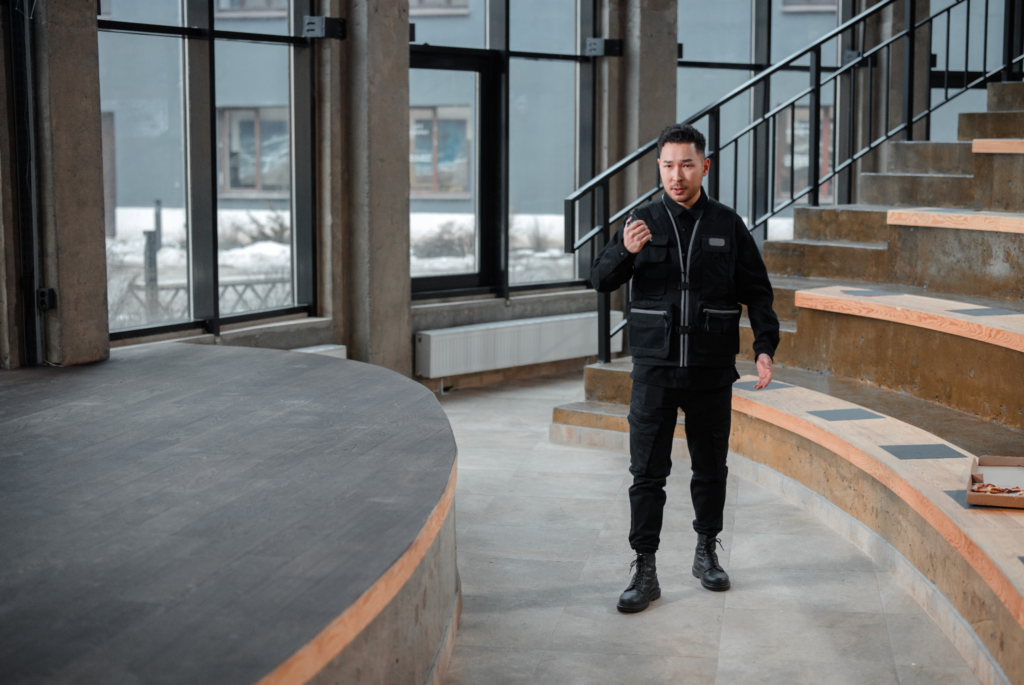
Raising the alarm early is one of the most valuable things a guard can do. Depending on the site, this means pressing a panic button, radioing the control room, or calling police directly. Messages should be short and factual, starting with location and the nature of the threat.
The guard should stay in contact where it is safe to do so, update responders as things change, and avoid guessing. Clear information helps police arrive with the right resources and a realistic picture of what they are facing. Armed security guards should keep emergency communications brief, accurate, and focused on information that responders need.
Armed guards operate under a use-of-force continuum. They move up a level only when the situation clearly requires it and step back down when the threat eases.
Use-of-Force Continuum
- Presence: a visible, alert guard deters many attacks.
- Verbal commands: firm, clear instructions.
- Physical control: limited restraint, only when lawful and necessary.
- Less-lethal tools: pepper spray, batons, or similar equipment, where permitted and certified.
- Firearm: used only against an imminent threat of death or serious bodily harm when no safer option exists.
Two rules sit at the top of this continuum. A firearm is never used to protect property alone, and the guard must think about everyone nearby, including bystanders and what lies behind the target. Force must be proportionate, and it must stop the moment the threat ends.
Protecting People During Serious Incidents
In a serious incident, the guard’s priority is lives, not catching the offender. Protecting people usually means:
- Moving staff and visitors to secure rooms or safe exits
- Locking down doors and restricting access
- Containing the threat to one area where possible
- Giving short, calm directions to frightened people
- Placing themselves between the threat and vulnerable people only when it can be done safely
During a serious incident, armed security guards focus on protecting staff and visitors rather than taking unnecessary risks.
Security cameras can also support incident response by helping teams monitor activity, verify events, and provide useful information to responding authorities.
Calm direction matters as much as physical action. Frightened people tend to follow whoever sounds confident, so a steady voice can prevent panic and injuries. A guard is not expected to chase suspects or take unnecessary risks. Keeping people safe until police arrive is often the best possible outcome.
Active Threat Response
An active threat, where someone is attacking or trying to harm people, is the clearest case for armed protection and the hardest situation to handle. The guard must decide quickly between three options: help people escape, hold a safe position, or engage the attacker.
Organizations should also have an active threat preparedness plan that defines emergency procedures and response actions.
Engagement is considered only when the attacker is actively causing harm and there is no safe way to avoid it. Even then, the guard accounts for cover, distance, bystanders, and whether backup is close. A guard working alone does not try to clear a building. They focus on stopping the immediate danger and protecting others until police take over.
Under stress, people fall back on what they have practiced. That is why realistic scenario drills, not just annual shooting qualification, separate strong teams from weak ones.
Coordination With Police
Armed guards support law enforcement and do not replace it. Police arriving at a tense scene may not know who is a threat and who is a guard, so identification is critical. Professional guards follow officers’ instructions, keep their hands visible, and holster or secure their weapon when told to.
Armed security guards must also make their identity clear to responding officers to reduce the risk of confusion when police arrive.
Useful information to pass on includes:
- Exact location and entry points
- Number and description of suspects
- Weapons seen or suspected
- Injuries and people still inside
- Actions the guard has already taken
Once police take control, the guard hands over the scene, stays available for questions, and avoids disturbing evidence. Confusion at this stage has caused avoidable tragedies, which is why reputable providers train for it directly.
Incident Review and Reporting
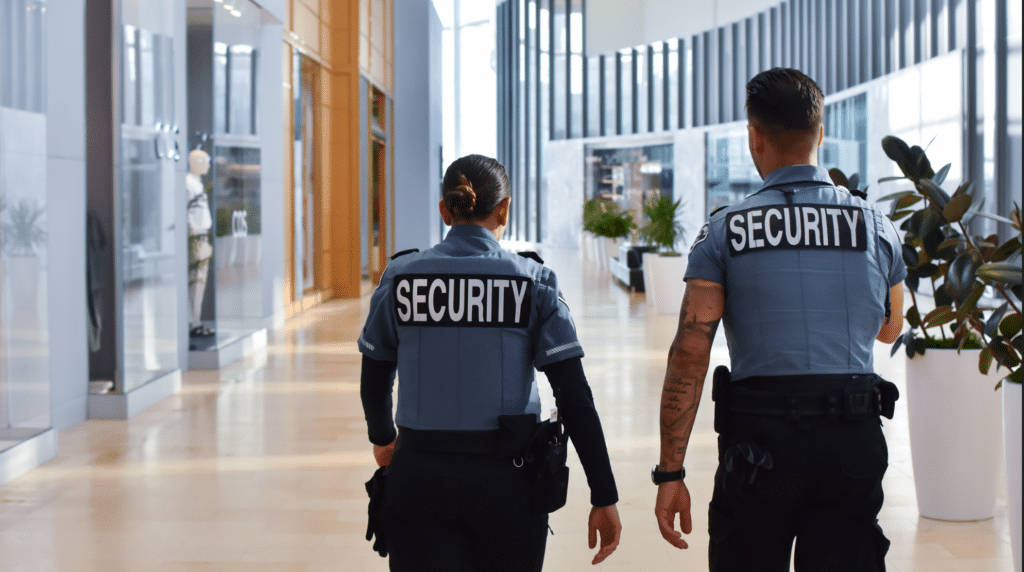
After the incident, the guard writes a factual report covering what they saw, what was said, what actions they took, and why. Reports should be specific, objective, and written while memories are fresh.
Supporting evidence is preserved: camera footage, access logs, witness details, and photos of the scene. These records protect the guard, the client, and the security company if the incident is later questioned by courts or insurers.
Good companies also review what happened. They look at what worked, where procedures failed, and whether training, staffing, lighting, or site design need to change. A well-run review makes the next incident less likely to go wrong.
Common High-Risk Scenarios and Typical Responses
| Scenario | Typical Guard Response |
| Armed intruder | Prioritize safety, lockdown, call police, use force only if life is in danger |
| Armed robbery | Avoid confrontation where possible, protect people, alert police, record details |
| Credible threat of violence | Assess, restrict access, alert supervisor and police, protect the likely target |
| Hostage-style situation | Contain the area, keep people away, call police, do not negotiate alone |
| Active attacker | Alert, evacuate or shelter people, engage only if no safer option exists |
Notice that in almost every case, the first actions are protective, not offensive.
Armed Guard Legal Limits
Armed guards are usually licensed private citizens, not police officers. Their authority depends on local law, licensing rules, and the client contract. Typically they:
- Can use reasonable force in self-defense or defense of others
- May detain someone only under narrow conditions, if at all
- Cannot search people without consent in most places
- Must carry required licenses and permits at all times
- Remain personally accountable for their actions
Guards who exceed these limits risk criminal charges and civil claims. Clients carry responsibility too, because contracts and site procedures should match the law. Always check the rules in your own country or state before setting expectations for an armed guard.
When Armed Security May Be Appropriate
Armed security makes sense where the risk of violent crime is real and serious. Typical examples include banks, jewelry stores, cash-in-transit operations, high-value warehouses, and some critical infrastructure sites.
For offices, schools, residential complexes, and low-risk retail, trained unarmed guards with cameras, access control, and good lighting are often more suitable and cost less. A written risk assessment should drive the decision, covering past incidents, local crime levels, what you are protecting, and how quickly police can respond. Fear alone is a poor basis for a costly and legally sensitive choice.
If you do choose armed protection, ask any provider:
- Are all guards licensed, with current firearm permits?
- How often do they train, and does it include use-of-force and de-escalation scenarios?
- What background checks and psychological screening do they require?
- What written procedures exist for high-risk incidents and reporting?
- Do they carry adequate liability insurance?
Frequently Asked Questions
1. How do armed security guards respond to a serious security threat?
Armed security guards first assess the threat, identify who is at risk, and look for safe ways to protect people. They alert the appropriate responders, move people away from danger when possible, and use force only when legally justified and necessary to protect life.
2. What should staff do when an armed security guard responds to a threat?
Staff should remain calm, follow the guard’s instructions, and move toward a designated safe area or exit when directed. They should avoid confronting the threat and follow police instructions when emergency responders arrive.
3. How do armed guards communicate with police during a security incident?
Guards provide clear and factual information, including the location of the threat, entry points, number and description of suspects, weapons involved, injuries, and actions already taken. They continue to provide updates when it is safe to do so.
4. When can an armed security guard use a firearm?
A firearm may be used only when there is an imminent threat of death or serious bodily harm and no safer option is available. The specific legal requirements vary by jurisdiction, so armed guards must follow applicable laws, licensing requirements, and company procedures.
5. What happens after an armed security incident?
After the incident, the guard documents what happened, including what they observed, what actions they took, and why. Relevant evidence such as camera footage, access records, and witness information may also be preserved. The security provider can then review the incident and identify areas for improvement.
6. How do armed security guards protect people during an active threat?
During an active threat, guards prioritize protecting lives. Depending on the situation, they may help people evacuate or shelter, restrict access to dangerous areas, alert police, and take action against the threat only when necessary and legally permitted.
Conclusion
Armed security response is built on judgment, not firepower. When a high-risk threat appears, a professional guard assesses it quickly, protects people first, raises the alarm, uses force only within the law and only as a last resort, works with police, and reviews the incident afterward.
Well-trained armed security guards rely on preparation, clear procedures, and sound judgment when responding to serious threats.
If you are considering armed protection, start with a risk assessment rather than assumption. Choose a provider on the strength of its training, procedures, and accountability, not its price. A properly trained and clearly authorized guard makes a site safer mainly by making sure the weapon is never needed.