
Mobile Patrol Security
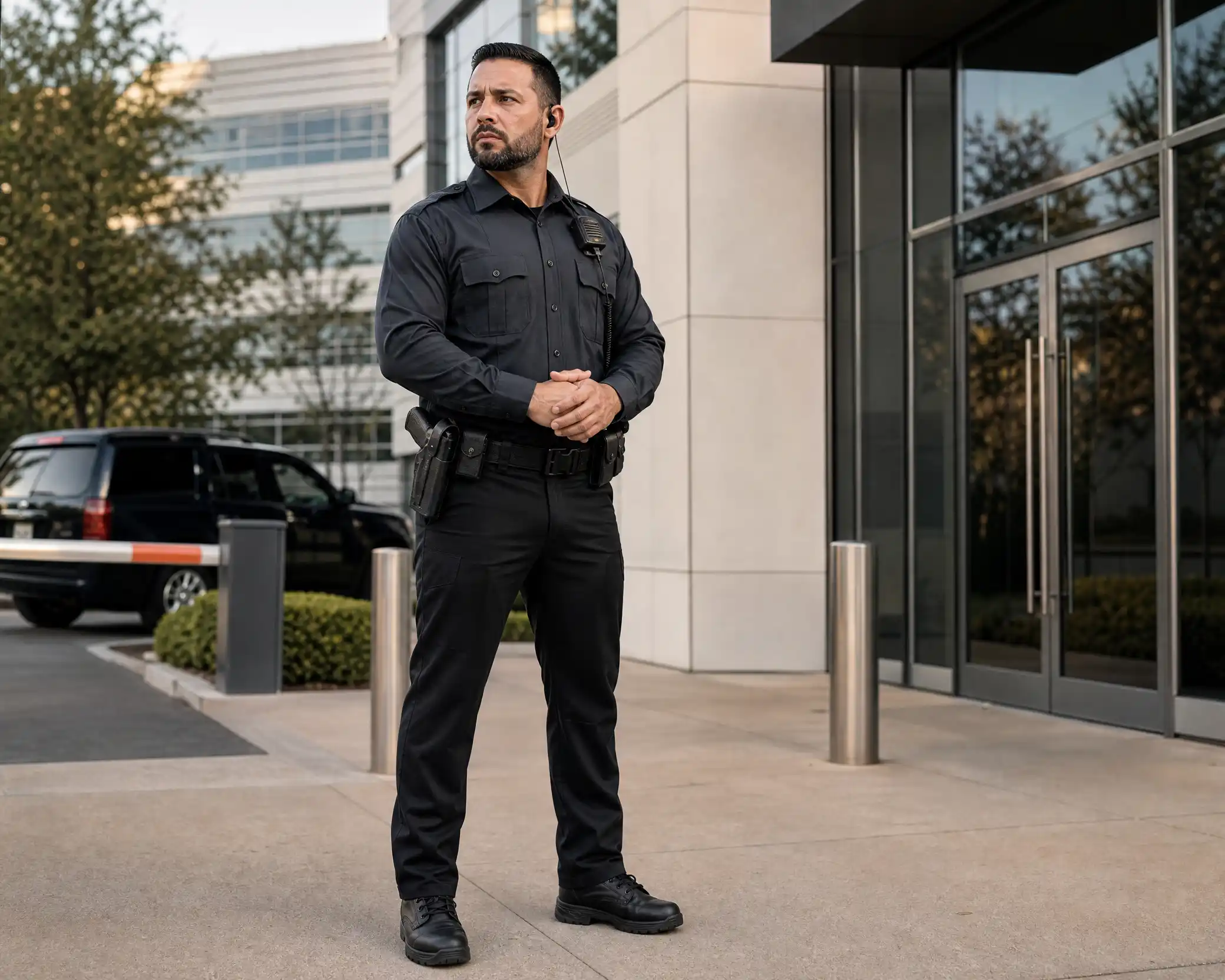
Grand Protective Security provides mobile patrol security in Berkeley, CA, with East Bay and Alameda County as supporting service geography, for properties that need recurring physical checks without a continuously staffed fixed post. A patrol plan can use scheduled, randomized, or hybrid vehicle patrol visits across defined routes and checkpoints such as doors, gates, parking lots, parking garages, common areas, package/delivery areas, loading/service entrances, and perimeter areas. Each visit is a defined property inspection rather than a generic drive-by.
Get a Berkeley Mobile Patrol Quote or request a Patrol Site Assessment at (510) 417-6817. Grand Protective Security publishes CA PPO 122124 and 24/7 on-call availability. GPS is based in Albany, California; this page does not imply a separate Berkeley office.




Request a Free Quote!
What Is Mobile Patrol Security in Berkeley?
What Does a Berkeley Mobile Patrol Officer Check?
| Checkpoint / Area | Typical Patrol Purpose |
|---|---|
| Exterior doors / entrances | Check for unsecured or visibly damaged access points |
| Gates / fences | Verify visible condition and access status |
| Parking lots / garages | Observe vehicle areas, entrances, lighting and unusual conditions |
| Common areas | Check approved shared spaces and access routes |
| Package / delivery zones | Observe after-hours access or visible issues |
| Loading / service areas | Check commercial access points and after-hours conditions |
| Stairwells / walkways | Inspect agreed circulation areas |
| Construction access | Check fencing, gates, trailers, equipment/material areas from authorized patrol zones |
| Perimeter / lighting | Observe visible damage, open access, outages or safety concerns |
| Lock-up points | Check only where lock-up/closing service is part of the contracted scope |
For apartment and student-housing-style properties, a patrol may include garage entries, lobbies or exterior entrances, package areas, common spaces, and other agreed checkpoints. Whether an officer exits the vehicle for foot checks should be defined in the service scope.
How Mobile Patrol Security Works for a Berkeley Property
- Site Review and Patrol Objectives
- Patrol Route and Checkpoints Are Defined
- Scheduled and/or Randomized Visits Are Set
- Officer Conducts the Property Check
- Patrol Completion Is Verified
- Issues Follow Site-Specific Escalation
- Patrol Plan Is Reviewed
Scheduled vs. Randomized Mobile Patrols in Berkeley
| Factor | Scheduled Patrol | Randomized Patrol |
|---|---|---|
| Timing | Defined time or visit window | Arrival varies within agreed windows |
| Best use | Lock-up/opening, closing periods, required checks | Deterrence and less predictable recurring presence |
| Strength | Reliable task timing | Reduced predictability |
| Limitation | Can become predictable if used alone | Not ideal for tasks requiring an exact time |
| Hybrid use | Required operational checks | Randomized visits between scheduled tasks |
A hybrid model can provide both accountability and unpredictability: scheduled visits can handle required tasks, while randomized visits reduce predictability during other periods.
How Are Berkeley Mobile Patrol Visits Verified?
Berkeley property managers should be able to understand how a required patrol visit is documented. Depending on the actual GPS operating system, proof may include GPS tracking, route data, checkpoint scans, a timestamp, photo evidence, a patrol receipt, daily activity report, or incident report. If an operations center or supervisor reviews patrol activity, GPS should describe that process only after internal verification.
The final contract should identify what verification is provided and when the client receives it. GPS tracking, real-time reporting, checkpoint technology, photo proof, or specific digital systems should not be promised unless GPS confirms those capabilities.
What Happens If a Patrol Officer Finds a Problem?
| Observed Condition | Patrol Action | Escalation / Documentation |
|---|---|---|
| Open / unsecured entrance | Verify visible condition and immediate area; secure only if authorized | Notify designated contact; document |
| Trespass / loitering | Observe and assess; follow site instructions | Client/dispatch/police when appropriate; incident report |
| Suspicious person / vehicle | Record observable details from a safe position | Notify contact; police if circumstances warrant |
| Vandalism / property damage | Document condition and visible hazards | Notify client; emergency services if required |
| Alarm activation | Respond only if contracted; observe visible conditions | Follow alarm/post-order procedure; 911 for active emergency |
| Lighting / safety issue | Document location and visible condition | Notify property contact or maintenance per post orders |
Mobile Patrol for Berkeley Property Types
- Apartment, Multi-Unit and University-Adjacent Properties
- Downtown Commercial and Mixed-Use Buildings
- Institutional, Educational and Nonprofit Properties
- Medical and Research-Adjacent Properties
- West Berkeley Commercial, Warehouse and Light-Industrial Properties
- Construction and Redevelopment Sites
- Parking Lots and Garages
- Vacant or Temporarily Closed Properties
- Multi-Site Property Portfolios
Mobile Patrol for Berkeley's Main Property Environments
- Downtown Berkeley / Shattuck Avenue: commercial and mixed-use properties, retail, parking, service access, and after-hours building checks.
- Telegraph / University-Adjacent Areas: apartments, student-housing-style properties, mixed-use buildings, garages, common/exterior access, deliveries, and evening activity.
- West Berkeley: commercial, warehouse, light-industrial, yard, loading/service, vehicle, and perimeter environments.
- North / South Berkeley: apartment and multi-unit properties with parking, common areas, visitor activity, and recurring patrol needs.
These local areas are used as operational property context, not as crime-statistic claims or evidence that a named property is a GPS client.
Patrol Design for University-Adjacent and Multi-Unit Properties
University-adjacent and multi-unit properties often need a clear answer to practical patrol questions: Which entrances are checked? Is the garage included? Are package or common areas part of the patrol? Does the officer leave the vehicle? Are closing checks scheduled? How are resident or guest concerns escalated?
Mobile patrol is a strong fit for recurring inspections. If the property needs continuous lobby, front-desk, resident, guest, or visitor management during peak periods, a standing unarmed guard may be a better fit for that function.
Mobile Patrol vs. On-Site Security Guards in Berkeley
| Factor | Mobile Patrol | Standing Guard |
|---|---|---|
| Presence | Intermittent recurring visits | Continuous during contracted hours |
| Access control | Limited unless specifically tasked | Strong for lobby/gate/access decisions |
| Resident / visitor interaction | Limited to visit | Strong for continuous interaction |
| Site coverage | Route/checkpoint based | Assigned post plus rounds |
| Verification | Patrol receipt/checkpoints/reports where available | Shift, activity and incident reporting |
| Multi-site scalability | Strong | Usually one post/site per officer |
| Cost tendency | Often lower for intermittent needs | Higher because labor is continuously assigned |
| Best fit | After-hours, parking, perimeter, several properties | Continuous access, lobby, gate, customer/resident-facing or higher-risk posts |
When Mobile Patrol May Not Be Enough
Mobile patrol may not be enough when a property needs continuous entrance or lobby control, constant resident/student/visitor management, full-time gate access, complex restricted-access decisions, repeated higher-risk incidents, or a permanent on-site response presence. In those situations, an unarmed security guard or, where documented risk justifies it, an armed security guard may be the better physical-presence model.
In those cases, compare an unarmed guard, armed guard where justified, CCTV monitoring, security risk assessment, or a layered plan. Mobile patrol should not be presented as equivalent to a continuously assigned officer.
Layered Security: Mobile Patrol + CCTV + Standing Guards
Layered security can divide responsibilities across the property. CCTV may identify or verify activity; mobile patrol can provide a physical check; an on-site guard can manage continuous lobby or access duties. A portfolio may also use patrol across several sites while reserving standing coverage for the highest-need property.
Only actual GPS integrations and escalation workflows should be described as live capabilities.
Mobile Patrol for Berkeley Property Managers and Multi-Site Portfolios
Berkeley property managers may need one patrol plan across apartment buildings, mixed-use properties, commercial sites, parking assets, nonprofit or institutional properties, and smaller multi-location businesses. Each site can have its own visit frequency, route, checkpoints, post orders, and escalation contacts.
A coordinated plan may include a single account contact, route sequencing, consistent reporting standards, and periodic review where GPS actually provides those processes. Specific portfolio technology or operations-center claims should be supported by first-party proof.
How Often Should Mobile Patrol Visit a Berkeley Property?
There is no universal patrol-visit count. Frequency should reflect property size, number of checkpoints, operating hours, resident or customer activity, incident history, required tasks, drive-through versus walk-through needs, number of properties, risk, and budget.
Some properties may need only recurring after-hours checks. Others may need more visits, longer visits, scheduled closing tasks, randomized presence, or a standing guard. Patrol frequency should be an assessment outcome rather than a prepackaged number.
How Much Does Mobile Patrol Security Cost in Berkeley?
Mobile patrol pricing depends on visits per shift or day, time on site, drive-through versus walk-through requirements, number of checkpoints, parking/garage/common-area checks, number of properties, patrol hours, scheduled or randomized structure, alarm response if offered, lock/unlock tasks if offered, reporting, urgency, and contract scope.
Patrol can be more economical than continuous staffing when the need is intermittent, but it is not the same service as a permanently staffed post. Request a site-specific Berkeley mobile patrol security quote instead of relying on generic visit pricing.
Why Choose Grand Protective Security for Mobile Patrol in Berkeley?
- Site-Specific Patrol Planning
- Berkeley / East Bay Property Context
- Documented Patrol Accountability
- Multiple Security Services
- California-Licensed Private Security Provider
Define What Must Be Checked Before Deciding How Often to Patrol
Patrol frequency should come after checkpoint design. A property with three exterior doors and one parking lot has a different visit requirement from a multi-building site with garages, loading areas, gates, stairwells, and several common areas. Define the inspection first; then decide how often it needs to happen.
Separate Drive-Through Visibility From Walk-Through Inspection
A vehicle pass can provide visible presence, but some security tasks require the officer to stop and physically inspect an agreed checkpoint. The patrol plan should state which areas can be checked from the vehicle and which require a foot check so the buyer knows exactly what each visit includes.
Build Exception Reporting Into the Patrol Plan
A patrol is more useful when the client knows what happens after something unusual is found. The plan should define which conditions create a routine note, which require immediate client notification, which trigger maintenance contact, and which warrant public emergency services.
Review Routes When Tenants, Construction or Access Patterns Change
A new tenant, revised delivery schedule, construction phase, changed gate, closed entrance, new parking pattern, or recurring incident can make an old route ineffective. Periodic route review keeps the patrol aligned with the current property rather than an outdated site map.
Use Patrol to Cover Gaps, Not to Imitate a Standing Guard
Mobile patrol works best when it solves intermittent coverage gaps: parking, perimeter, closing checks, several small properties, or after-hours inspection. If the property really needs continuous access control or resident/customer interaction, assigning more patrol visits may be less effective than using a standing guard.
Berkeley Areas We Serve with Mobile Patrol
Mobile patrol may support genuine service needs across Downtown Berkeley, the Telegraph Avenue area, the Shattuck Avenue corridor, West Berkeley, North Berkeley, South Berkeley, Elmwood, the Fourth Street area, and university-adjacent neighborhoods where GPS actually provides coverage. This section is intentionally concise. It supports local relevance without neighborhood stuffing or implying named-property contracts
Frequently Asked Questions About Mobile Patrol Security in Berkeley
Scheduled patrols occur at defined times or windows and are useful for lock-up, opening, closing, or required checks. Randomized patrols vary the arrival time to reduce predictability. Many properties can use both approaches in one patrol plan.
Pricing depends on number of visits, time on site, drive-through versus walk-through needs, checkpoints, properties, hours, scheduled/randomized structure, alarm or lock-up tasks if offered, reporting, urgency, and contract scope.
Request Mobile Patrol Security in Berkeley
To request mobile patrol security services Berkeley property managers can provide the property address or area, property type, number of properties, desired patrol hours, number of visits or ‘not sure,’ scheduled/randomized preference, drive-through or walk-through needs, doors, gates, parking, common-area checkpoints, alarm-response or lock-up needs if applicable, current security, recent incidents, start date, urgency, and any special instructions.