
Armed Security Guard Services in Berkeley, CA
Grand Protective Security provides armed security guard services in Berkeley, CA where documented risk, high-value assets, sensitive access, serious incident history, or operating conditions support an armed presence. Officers work under site-specific post orders, manage access, conduct assigned patrols, document incidents, and follow defined escalation procedures. Armed staffing is selected because the risk profile supports it—not because it is automatically the strongest choice.
Request a Berkeley Armed Security Assessment or call (510) 417-6817. Verified public trust signals include CA PPO 122124 and 24/7 on-call availability. Grand Protective Security is based in Albany, California; this page does not imply a separate Berkeley office.




Request a Free Quote!
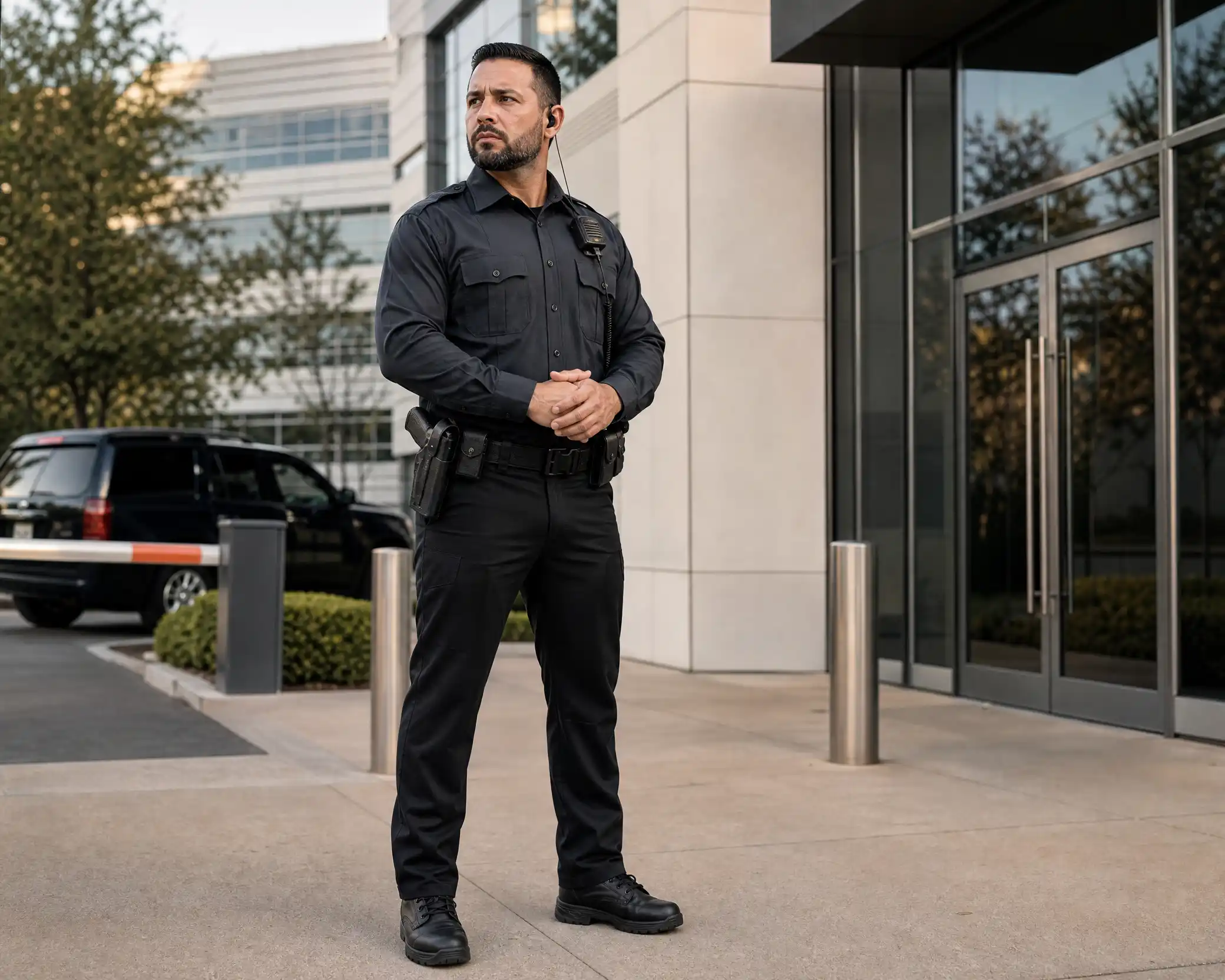
When Should a Berkeley Property Consider Armed Security?
A Berkeley property should consider armed security when an assessment identifies elevated threats, high-value assets, repeated serious incidents, sensitive access, vulnerable hours, or another documented condition that justifies armed presence. Coverage should remain proportional to the risk and the officer’s role.
Examples may include selected high-value commercial sites, sensitive storage or research-adjacent areas, properties with credible threat history, theft/robbery exposure, or certain construction and parking environments where documented risk is materially higher than a routine access-control post.
When Armed Security May Not Be Necessary
Armed security is not the default for every Berkeley property. Routine reception, apartment desk coverage, visitor management, lower-risk retail, office access, or recurring after-hours checks may be better served by unarmed guards, mobile patrol, CCTV, or layered security.
Do all Berkeley high-value properties need armed guards? No. Asset value is only one factor. Public interaction, threat history, operating procedures, access controls, property layout, and the practical role of the officer should all influence the decision.
What Do Armed Security Guards Do at a Berkeley Site?
An armed security officer provides professio
Armed guards provide continuous on-site security for defined assignments where armed staffing is justified. Duties may include access control, visitor/vendor verification, restricted-area monitoring, foot patrols, observation, incident reporting, policy enforcement, communication, and emergency escalation under written post orders.
nal on-site presence under a defined post. Duties can include access control, visitor/vendor verification, entrance and restricted-area monitoring, foot patrol, observation, site-rule and post-order compliance, incident reporting, emergency communication, and escalation according to the assignment.
| Duty | Purpose | Berkeley Property Context |
|---|---|---|
| Access control | Verify authorized entry and enforce site access rules | Commercial entrances, apartments, restricted areas, institutional or sensitive-access properties |
| Visitor / vendor management | Check credentials, logs, approvals and deliveries | Mixed-use, office, apartment and service-access environments |
| Foot patrol | Inspect assigned checkpoints and property areas | Parking, garages, service entrances, perimeter and restricted zones |
| Observation | Identify unusual or unauthorized activity | Retail, construction, parking, high-value or after-hours areas |
| Incident reporting | Document observations, actions and notifications | All contracted posts where reporting is part of the scope |
| Emergency communication | Follow escalation procedures and coordinate with public responders when required | Serious incidents, medical/fire events, forced entry or critical access issues |
Armed security officers are private security personnel, not police officers. The page therefore avoids claims of unrestricted authority, guaranteed prevention, or tactical intervention.
How GPS Determines Whether Armed Coverage Is Appropriate
- Review property type, access, assets, security.
- Review threats, incidents, exposure, sensitive access.
- Evaluate guards, CCTV, alarms, existing controls.
- Compare armed, unarmed, patrol, CCTV models.
- Define justified armed posts and coverage.
- Document duties, reporting, communications, escalation procedures.
- Reassess performance when property risks change.
Armed vs. Unarmed Security Guards in Berkeley
Berkeley has many public-facing, apartment, medical, office, and university-adjacent environments where communication and visitor interaction are central. Unarmed security may be the better default unless documented risk supports an armed posture.
| Factor | Armed Guard | Unarmed Guard |
|---|---|---|
| Primary driver | Elevated documented risk | Continuous professional presence without firearm |
| Public-facing fit | Site-specific; may be unsuitable | Often stronger for institutional, apartment and retail interaction |
| Access control | Strong | Strong |
| Visitor / resident interaction | Depends on risk and environment | Often better default fit |
| Licensing | Guard registration + applicable firearms permit | Guard registration |
| Cost tendency | Higher | Lower for comparable hours |
| Best fit | Higher-risk, high-value or sensitive sites | Routine access, customer-facing and lower-risk posts |
Armed Security vs. Mobile Patrol in Berkeley
A standing armed guard provides continuous post coverage. Mobile patrol provides intermittent scheduled or randomized visits and often fits parking, perimeter, multi-property, or after-hours checks where continuous staffing is unnecessary.
| Factor | Armed Standing Guard | Mobile Patrol |
|---|---|---|
| Presence | Continuous during contracted post hours | Intermittent scheduled or randomized visits |
| Best use | Sensitive higher-risk post or access point | Parking, perimeter, multiple sites, after-hours checks |
| Access control | Continuous | Limited to the patrol visit |
| Property coverage | Assigned post plus site rounds | Defined checkpoints and routes |
| Scalability | One staffed post/site | Can cover multiple properties |
| Cost tendency | Higher continuous labor | Often lower for intermittent needs |
California Licensing Requirements for Armed Security Guards
California private security guards are regulated by the Bureau of Security and Investigative Services (BSIS). Armed security work requires Security Guard Registration plus the applicable BSIS Exposed Firearms Permit associated with a qualifying security credential.
Current BSIS guidance states that the firearms-permit process includes eligibility requirements, background checks, required firearms training and qualification, and an applicable assessment for qualifying security-guard applicants. That assessment addresses judgment, restraint, and self-control for carrying and using a firearm while performing security duties.
This section is high-level consumer information, not legal advice. Grand Protective Security publishes CA PPO 122124 as a California Private Patrol Operator (PPO). Claims about individual guard registration, firearms permits, additional training, screening, or internal verification procedures should be published only when GPS can document them.
Post Orders: How Armed Security Duties Are Defined
Post orders turn a general request for armed security into a defined assignment. They can identify post location, hours, access rules, visitor/vendor procedures, restricted areas, patrol zones, emergency contacts, reporting, relief, and escalation.
For Berkeley apartment, institutional, mixed-use, commercial, and parking environments, written responsibilities are especially important because the officer may need to balance public interaction with restricted-access duties. Site-specific instructions are stronger than vague directions to ‘protect the property.’
De-Escalation, Judgment and Responsible Escalation
Communication, restraint, judgment, and de-escalation remain important on armed posts. Officers should observe conditions, apply post orders, communicate clearly, and escalate serious threats through defined procedures.
A high-level response flow is: observe -> assess -> communicate or de-escalate when appropriate -> follow post orders -> notify the client or supervisor/dispatch -> use emergency-services coordination with 911 or other public responders when required -> document the event. This page does not provide tactical firearms or use-of-force instruction.
Armed Security for Berkeley Property Types
Some properties need more than one type of security coverage. Depending on your risk level, operating hours and property layout, our security services can include armed security guards working alongside, or being replaced by, another security service.
University-Adjacent Apartments / Multi-Unit
Entrances, garages, common areas, packages, deliveries, and resident/guest access may need continuous security. Because these are highly public-facing environments, unarmed coverage may often be more appropriate unless a documented risk supports armed staffing.
Downtown / Telegraph / Shattuck Commercial
Retail, offices, mixed-use buildings, closing periods, restricted back-of-house areas, and high-value assets can require different security models. Armed coverage should be limited to posts where the threat profile supports it.
Institutional / Educational / Nonprofit
Public access, restricted zones, formal post orders, and escalation procedures are central for an institutional property. This page does not imply that UC Berkeley, the City of Berkeley, or any named institution is a GPS client.
Medical / Research-Adjacent
A medical/research-adjacent property may include sensitive access, after-hours areas, high-value equipment, or data-related spaces. Armed staffing should still be tied to documented risk and policy rather than the property category alone.
West Berkeley Commercial / Light-Industrial
Gates, yards, loading/service areas, equipment, vehicle access, and higher-value inventory may support continuous armed presence when risk and operations justify it.
Construction / Redevelopment
Equipment, materials, temporary access, contractors, and overnight exposure should be assessed against unarmed guards, mobile patrol, CCTV, or armed staffing rather than defaulting to an armed post.
Retail / High-Value Sales
Closing periods, high-value merchandise, cash exposure, and documented incidents may support armed coverage, but customer-facing suitability still matters.
Parking / Vehicle Properties
A parking facility or vehicle property may involve parking structures, vehicle inventory, restricted access, and after-hours exposure. Armed staffing should be used only when site-specific risk supports continuous presence.
Armed Security for Berkeley's Main Commercial Environments
- Downtown Berkeley / Shattuck Avenue: commercial, mixed-use, retail, office, parking, and high public interaction.
- Telegraph / University-Adjacent: retail, apartments, mixed-use, pedestrian activity, and student/resident/visitor interaction; armed suitability requires careful review.
- Fourth Street / West Berkeley: retail, commercial, light-industrial, warehouse/service, vehicle, loading, and parking environments.
- North / South Berkeley Multi-Unit: apartments and mixed-use properties where resident/visitor access, parking, and common areas often matter more than an armed posture.
These areas are operational context, not crime-statistic or client-affiliation claims. Berkeley remains the primary local entity; East Bay and Alameda County provide supporting geography.
Access Control and Visitor / Vendor Management
Armed officers may manage badge checks, visitor logs, vendor/contractor authorization, deliveries, after-hours access, restricted rooms, gates, or designated entrances when assigned. This visitor/vendor management function should be defined in the site-specific post orders. If access management is the main need and the threat level is low or moderate, an unarmed officer may be more appropriate. This is a key service-selection question for Berkeley offices, apartments, institutional properties, and customer-facing commercial sites.
Armed Foot Patrols, Parking and Property Rounds
An on-site armed officer may conduct assigned foot rounds and parking patrol in parking, garages, perimeter zones, service entrances, restricted spaces, common areas, or checkpoints. Frequency should reflect layout, fixed-post duties, and risk. These rounds are different from Mobile Patrol, which involves recurring visits to one or multiple properties rather than a continuously assigned standing officer.
Incident Reporting, Supervisor Oversight and Relief Coverage
Clients evaluating armed security services Berkeley CA should ask how activity and exceptions are documented, who verifies attendance, who reviews incident reports, how breaks are covered, and how post-order changes are communicated. Possible accountability elements include daily activity reports, incident reports, attendance or post verification, supervisor checks, escalation records, post-order compliance, relief coverage, and client communication. GPS should publish only the reporting, supervision, dispatch, relief, or guard-tour systems it can verify with first-party documentation.
Armed Security for Berkeley Property Managers and Multi-Site Portfolios
A multi-site portfolio may need different models: armed coverage at one higher-risk site, unarmed security at a public-facing property, and mobile patrol or CCTV at another. A coordinated plan can use site-by-site assessment, separate post orders, standardized reporting, shared escalation contacts, and consistent account management. This is more useful than forcing every Berkeley or East Bay property into the same armed-security model.
Layered Security: Armed Guards + CCTV + Mobile Patrol + Access Control
Layered security assigns each control a defined job: an armed officer at sensitive access, CCTV for wider observation, mobile patrol for remote parking or perimeter, and access control for credential decisions. A layered plan should be selected after risk assessment. More security layers do not automatically mean better security; the objective is to place the right control where the property actually needs it.
University-Adjacent and Institutional Armed Security: When Is It Appropriate?
University-adjacent does not automatically mean armed. The decision should start with the post’s function: routine public-facing access, apartment security, or reception versus a documented elevated threat, sensitive asset, serious incident history, or policy requirement.
Risk Factor -> Security Model Decision Map
| Scenario | Risk Profile | Likely Model |
|---|---|---|
| Routine apartment lobby / visitor management | Low to moderate | Unarmed guard |
| University-adjacent public-facing property | Low to moderate / site-specific | Usually unarmed unless documented elevated risk |
| High-value retail / serious incident history | Elevated | Armed may fit after assessment |
| Sensitive research / restricted asset area | Elevated / site-specific | Armed or layered model depending threat and policy |
| After-hours parking / perimeter / several properties | Low to moderate | Mobile patrol + CCTV |
| Construction / equipment theft exposure | Variable | Patrol, unarmed, or armed depending actual risk |
| Medical / public-facing site | Variable | Often unarmed; armed only when documented risk or policy supports |
Incident -> Officer Action -> Escalation Map
| Observed Event | High-Level Officer Action | Escalation |
|---|---|---|
| Unauthorized access | Follow access/post orders; deny or redirect where authorized | Client/dispatch; police if required; report |
| Aggressive behavior | Communicate and de-escalate where appropriate | Supervisor/client/911 based on threat; report |
| Suspicious person / vehicle | Observe and assess; maintain professional distance | Notify contact; police if warranted; document |
| Forced entry / property damage | Observe conditions; protect scene as authorized | Client; police/emergency services; document |
| Medical / fire emergency | Call the appropriate public emergency service | Client/dispatch; report |
| Serious security incident | Follow law, training, post orders and company procedures | Public responders + client/supervisor; detailed report |
How Much Do Armed Security Guards Cost in Berkeley?
Armed security pricing varies by hours, officer count, risk, duties, property type, nights/weekends/holidays, supervision, relief, reporting, contract duration, urgency, and specialized requirements.
For a Berkeley armed security guard quote, provide the property type, number of sites, coverage hours, current security, recent serious incidents or threats, high-value or sensitive assets, access/visitor needs, parking or perimeter requirements, and whether you are certain armed coverage is needed.
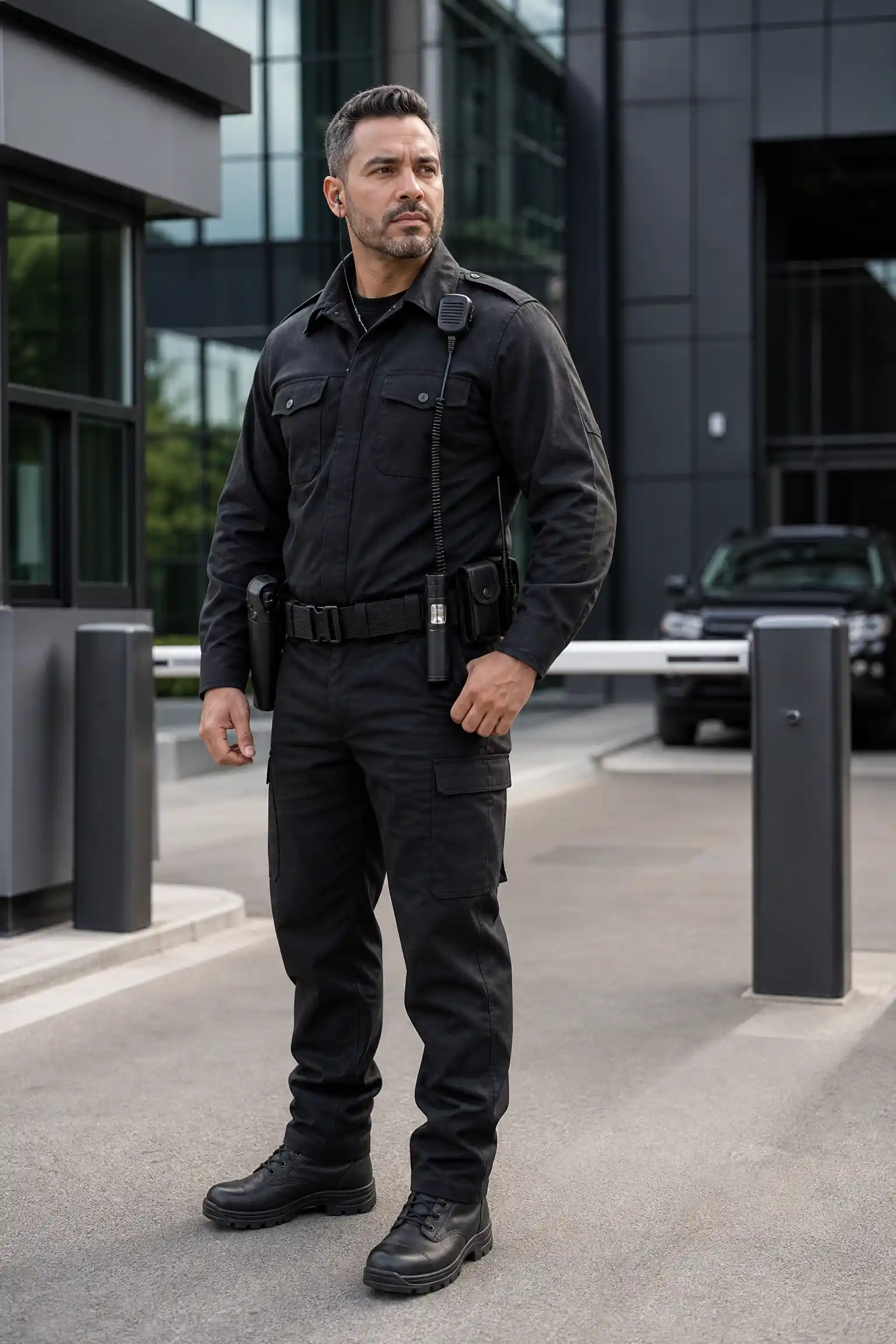
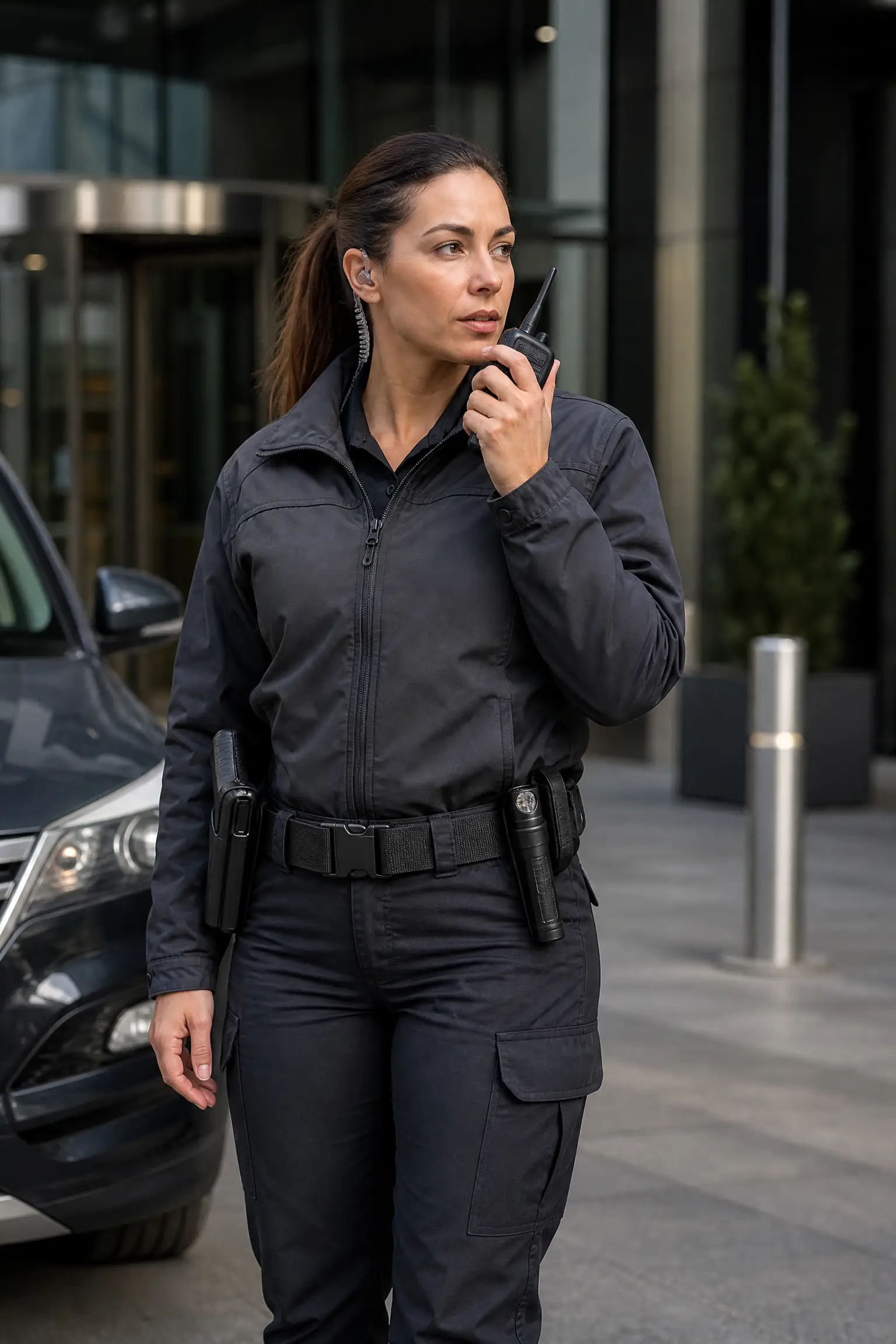
Why Choose Grand Protective Security for Armed Security in Berkeley?
- Deploy armed coverage based on risk.
- Define duties through site-specific written orders.
- Compare armed, unarmed, patrol, CCTV services.
- Include security risk assessment service comparisons.
- Publish California PPO 122124 compliance context.
- Verify guard permits, training, screening claims.
- Describe accountability using actual GPS processes.
Define Which Part of the Berkeley Property Actually Needs Armed Coverage
Some properties may need armed staffing only at one sensitive entrance, shift, restricted zone, or high-value area. Limiting the post to where risk justifies it can improve fit and reduce unnecessary armed presence elsewhere.
Separate Public-Facing Security From Higher-Risk Security Tasks
Berkeley properties often combine public interaction with restricted or higher-value areas. A layered plan can use unarmed staff for public-facing access and armed coverage only where the risk is materially different.
Use Post Orders to Prevent Role Confusion
Armed officers should not arrive with vague expectations. Written post orders can clarify when the officer remains at a fixed access point, when rounds occur, which areas are restricted, how visitors are handled, who is contacted after an incident, and which responsibilities belong to property staff.
Review Armed Staffing When Property Use or Risk Changes
A tenant change, new hours, high-value inventory, renovation, serious incident, access-system change, or new property use can alter whether armed coverage remains appropriate. Review keeps the post aligned with current risk.
Make Reporting and Escalation Part of the Buying Decision
A buyer should understand how the armed post will be documented before service starts: what is reported, how serious incidents escalate, who reviews reports, how instructions change, and what proof of coverage is available.
Berkeley Areas We Serve with Armed Security Guards
Berkeley armed security planning may apply to genuine service needs in Downtown Berkeley, the Telegraph Avenue area, the Shattuck corridor, Fourth Street, West Berkeley, North Berkeley, South Berkeley, Elmwood, and university-adjacent properties where GPS actually provides service.
This section is intentionally concise. It supports local relevance without implying a Berkeley office or creating neighborhood-by-neighborhood keyword stuffing.
Frequently Asked Questions About Armed Security Guards in Berkeley
Consider armed guards when documented risk supports an armed presence, such as credible threats, serious incident history, high-value or sensitive assets, restricted access, or another elevated-risk condition. The decision should follow a site-specific assessment rather than a general preference for stronger-looking security.
No. Unarmed officers may be a better fit for apartment entrances, routine office access, visitor management, institutional or public-facing environments, and lower-risk retail. Armed staffing should be selected only when the threat profile and assignment justify it.
Duties may include access control, visitor or vendor verification, restricted-area monitoring, foot patrol, observation, post-order enforcement, incident reporting, professional communication, and emergency escalation. Their role is broader than simply carrying a firearm.
Armed private security work generally requires California BSIS Security Guard Registration plus the applicable Exposed Firearms Permit. Current BSIS guidance also includes background checks, firearms training and qualification, and an applicable judgment/restraint/self-control assessment.
Yes, when access management is part of the post orders. However, if the primary duty is routine resident, visitor, student, or public interaction and the threat level is not elevated, an unarmed officer may be a more appropriate service model.
Provide the property address or area, property type, number of sites, start date, coverage hours, current security, access and visitor needs, recent serious incidents or threats, high-value or sensitive assets, parking/perimeter needs, existing CCTV or alarms, and urgency.
An assigned armed officer may conduct foot patrols of parking, garages, perimeter zones, common areas, service entrances, or other checkpoints when those duties are included in the post orders. These rounds are distinct from a separate mobile-patrol service.
Post orders should reflect the property layout, access rules, coverage hours, restricted zones, patrol areas, visitor or vendor procedures, emergency contacts, reporting, relief, and escalation chain. GPS's exact post-order creation and approval process should be confirmed before publication.
At a high level, the officer observes and assesses, follows post orders, communicates or de-escalates where appropriate, notifies the required client or supervisor contacts, coordinates with public emergency services when necessary, and documents the event.
Yes. CCTV can expand visibility while a standing guard covers a sensitive post, and mobile patrol can check remote parking or perimeter areas. The right combination depends on risk, layout, operating hours, and the physical-presence requirement.
Yes. A higher-risk property may use armed coverage, another site may use unarmed guards, and a third may rely on mobile patrol or CCTV. Site-by-site assessment is more useful than applying the same model to every property.
Cost depends on coverage hours, officer count, risk level, post duties, property type, schedule, supervision, relief, reporting, contract duration, urgency, and specialized requirements. A site-specific quote is more reliable than an invented standard hourly rate.
Request Armed Security Guard Services in Berkeley
To request Berkeley armed security, provide the property type, area, site count, start date, coverage hours, current security, access needs, serious incident or threat history, high-value or sensitive assets, parking/perimeter needs, and whether you are certain armed staffing is required. GPS can then prepare a site-specific recommendation and quote.