
Mobile Patrol Security
Grand Protective Security provides mobile patrol security services in San Francisco for properties that need recurring, visible and documented security checks without a continuously staffed fixed post. Patrol programs can use scheduled and/or randomized visits, property-specific patrol zones, garage and entry checks, perimeter observations, reporting and defined escalation according to the contracted scope.
Get a San Francisco Mobile Patrol Quote or request a patrol site assessment at (510) 417-6817. Grand Protective Security publishes CA PPO 122124 and is based in Albany, California, serving San Francisco and the Bay Area where operationally available. This page does not imply a separate San Francisco office.




Request a Free Quote!
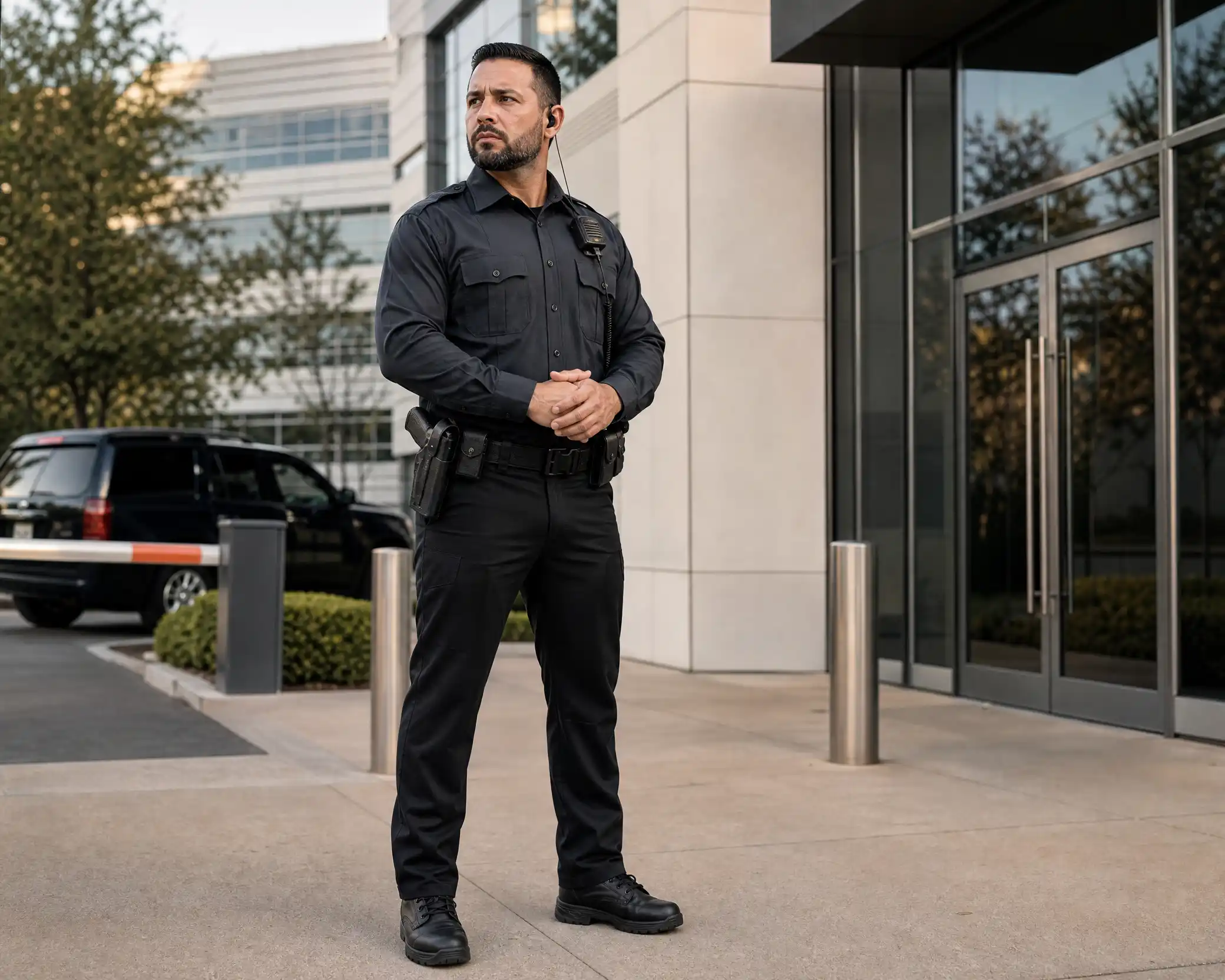
What Is Mobile Patrol Security in San Francisco?
What Does a San Francisco Mobile Patrol Officer Check?
| Checkpoint / Area | What May Be Checked | Why It Matters |
|---|---|---|
| Exterior doors / restricted door | Open, unsecured, damaged or unusual condition | Supports unauthorized-access detection |
| Lobby exterior / entrance | After-hours condition and visible access issues | Useful for office and high-rise properties |
| Garage / parking level | Entries, exits, lighting, suspicious activity, visible damage | Addresses parking and after-hours exposure |
| Service entrance / loading area | Door condition, access activity, loading entrance checks | Important for mixed-use, hotel and commercial properties |
| Gate / perimeter | Access condition, damage, trespass indicators | Supports perimeter checks |
| Stairwell / common area | Where included in contracted foot check | Helps assess interior common-space conditions |
| Construction access | Fence/gate/access condition, visible materials/equipment issues | Supports changing-site patrol |
| Lock / unlock points | Only where opening/closing service is contracted | Operational task requiring exact timing |
How Mobile Patrol Security Works for a San Francisco Property
- Site Review and Patrol Objectives
- Patrol Route and Checkpoints Are Defined
- Scheduled and/or Randomized Visits Are Set
- Officer Conducts the Property Check
- Patrol Completion Is Verified
- Problems Follow Site-Specific Escalation
- Patrol Plan Is Reviewed and Adjusted
Scheduled vs. Randomized Mobile Patrols in San Francisco
| Factor | Scheduled Patrol | Randomized Patrol |
|---|---|---|
| Timing | Defined time or window | Arrival varies within contracted windows |
| Best use | Lock/unlock, opening/closing, required checks | Deterrence and unpredictable recurring presence |
| Strength | Reliable task timing | Reduced predictability |
| Limitation | Can become predictable if used alone | Not suitable when a task must happen at an exact time |
| Hybrid use | Scheduled operational checks | Random inspections between required checks |
How Are San Francisco Patrol Visits Verified?
Patrol verification should give a property manager evidence that the required round occurred and explain what was observed. Potential proof can include GPS route logs, checkpoint scans, timestamps, photos, a digital patrol receipt, daily activity report, incident report or supervisor audit where Grand Protective Security actually provides those capabilities.
The live page should not promise GPS-verified patrol, real-time reporting or specific technology until the exact GPS operating system is confirmed. A redacted patrol report or checkpoint example would be strong first-party E-E-A-T evidence.
What Happens If a Patrol Officer Finds a Security Issue?
Mobile Patrol for San Francisco Property Types
- Office Towers and Commercial Buildings
- High-Rise Apartments, Condominiums and HOAs
- Hotels and Hospitality Properties
- Construction and Redevelopment Sites
- Retail and Mixed-Use Properties
- Parking Lots and Garages
- Vacant / Temporarily Closed Properties
- Multi-Site Commercial Portfolios
Mobile Patrol for San Francisco's Main Property Environments
- Financial District / Downtown: office towers, parking garages, after-hours entrances and service access.
- SoMa / Mission Bay: mixed-use, office and technology properties, construction, garages and loading/service areas.
- Union Square / hospitality corridors: hotels, retail, parking and evening or closing-period property checks.
- Embarcadero / waterfront commercial areas: mixed-use, retail/hospitality, garages and service entrances where genuinely covered.
- Residential high-rise / HOA environments: garage, exterior/lobby zones and recurring property checks.
Districts are used only as property-operating context. The page does not imply contracts with named buildings, hotels, Port facilities or other institutions.
Patrol Design for High-Rise, Garage and Mixed-Use Properties
A vehicle-only drive-by does not inspect vertical-property risk. For a San Francisco high-rise or mixed-use building, the patrol plan should ask which garage levels need checks, which doors or service entrances matter, whether an officer is expected to exit the vehicle, whether stairwells or common areas are included, and which zones actually require a standing guard.
Where the contracted scope supports it, defined vehicle plus foot-check checkpoints can provide better coverage than a generic perimeter loop. Interior, garage or foot checks should only be promised where GPS actually includes them.
Mobile Patrol vs. On-Site Security Guards in San Francisco
| Factor | Mobile Patrol | Standing Guard |
|---|---|---|
| Presence | Intermittent recurring visits | Continuous during contracted hours |
| High-rise / garage coverage | Selected zones/checkpoints | Primary access post; secondary patrol depends on staffing |
| Access control | Limited unless specifically tasked | Strong for lobby/gate decisions |
| Guest / tenant interaction | Limited | Strong |
| Multi-site scalability | Strong | Usually one site/post per officer |
| Verification | Patrol receipts/checkpoints/reports where available | Shift/DAR/incident reports |
| Cost tendency | Often lower for intermittent needs | Higher because labor is continuously assigned |
| Best fit | After-hours, garages, perimeters, several properties | Continuous access, lobby, gate, high-contact or higher-risk posts |
When Mobile Patrol May Not Be Enough
Mobile patrol may not be enough when a San Francisco property requires continuous lobby coverage, full-time gate access, high-volume resident or guest interaction, repeated high-risk incidents, permanent on-site response or complex restricted access. In those cases, an unarmed security guard, armed security guard where justified, CCTV monitoring, a layered model or a security risk assessment may fit better. Patrol is strongest when the property needs recurring checks and distributed coverage rather than continuous presence.
Layered Security: Mobile Patrol + CCTV + Standing Guards
Layered security can combine remote and physical controls. CCTV monitoring can identify activity for review, mobile patrol can physically verify selected conditions, and a standing guard can manage a lobby or access point continuously. For multi-zone properties, this can prevent one service from being stretched beyond what it is designed to do. Only GPS integrations, dispatch relationships and response workflows that are verified should be presented as confirmed.
Mobile Patrol for San Francisco Property Managers and Multi-Site Portfolios
Property managers can use a multi-site patrol plan to coordinate one contact, site-specific post orders, property-by-property checkpoint lists, route sequencing, different visit frequency, escalation contacts and standardized reporting across office, apartment/HOA, hospitality, parking, construction and mixed-use assets. The route should preserve local differences rather than treat every building identically. Request a multi-property San Francisco patrol plan when several properties need coordinated recurring checks.
How Often Should Mobile Patrol Visit a San Francisco Property?
There is no universal patrol frequency. Visit count and duration depend on risk, property size, vertical complexity, checkpoint count, operating hours, incident history, required operational tasks, the need for unpredictability, number of properties and budget. A larger or higher-risk site may need more visits, longer patrol duration, foot checks, or a standing guard rather than simply increasing drive-by frequency. Frequency should follow the security decision, not a generic package.
How Much Does Mobile Patrol Security Cost in San Francisco?
Mobile patrol cost in San Francisco depends on visits per shift or day, time on site, vehicle-only versus foot checks, garage or interior checkpoints, number of properties, patrol hours, randomized versus scheduled structure, alarm response where offered, lock/unlock services where offered, reporting, urgency and special post orders. Patrol can be more economical than a continuously staffed post for intermittent needs, but it is not equivalent to continuous guard coverage. Request a site-specific San Francisco mobile patrol security quote.
Why Choose Grand Protective Security for Mobile Patrol in San Francisco?
Routes, checkpoints, visit windows and frequency should be built around actual property needs rather than a generic city patrol package.
- Site-Specific Patrol Planning
- San Francisco / Bay Area Property Context
- Documented Patrol Accountability
- Guards + Patrol + CCTV + Consulting
- California-Licensed Private Security Provider
Define the Patrol Decision Before Choosing a Visit Count
Before deciding how often a patrol should arrive, define the decision each visit is meant to support. Is the priority checking doors, verifying garage conditions, creating visible after-hours presence, reviewing a construction perimeter, or covering several properties? The purpose should drive frequency, duration and checkpoints.
Separate Drive-Through Visibility From Foot-Check Inspection
A drive-through can provide visible patrol presence and exterior observation, while a foot check can inspect a specific door, stairwell, common area, garage level or service entrance. Treating these as different tasks prevents a client from assuming that every vehicle visit includes a full interior inspection.
Build Exception Reporting Into the Patrol Scope
The value of a patrol increases when exceptions are defined in advance. An open door, blocked camera view, vandalism, lighting failure, suspicious activity or access problem should have a clear documentation and escalation rule rather than depending on ad-hoc judgment after the officer arrives.
Review Routes When Tenants, Construction or Access Patterns Change
A patrol route can become outdated when a building adds tenants, changes garage access, moves a construction gate, changes loading hours or closes a common area. Regular review keeps checkpoints aligned with the property instead of repeatedly documenting low-value areas.
Use Patrol to Cover Gaps, Not to Imitate a Standing Guard
Mobile patrol should solve intermittent and distributed security needs. If the property needs someone continuously at a lobby, gate, front desk or high-risk post, increasing patrol visits is not a substitute for a standing guard. Clear service boundaries build trust and improve budget decisions.
San Francisco Areas We Serve with Mobile Patrol
Mobile patrol security may be available for genuine San Francisco assignments in the Financial District, Downtown, SoMa, Mission Bay, Union Square, Embarcadero, Nob Hill, Pacific Heights, Marina, Mission District, Richmond, Sunset and other areas where Grand Protective Security operates. This section is intentionally concise and does not imply a San Francisco office, named-building contract, hotel contract, Port relationship or other local institution as a client.