
CCTV Monitoring




Request a Free Quote!
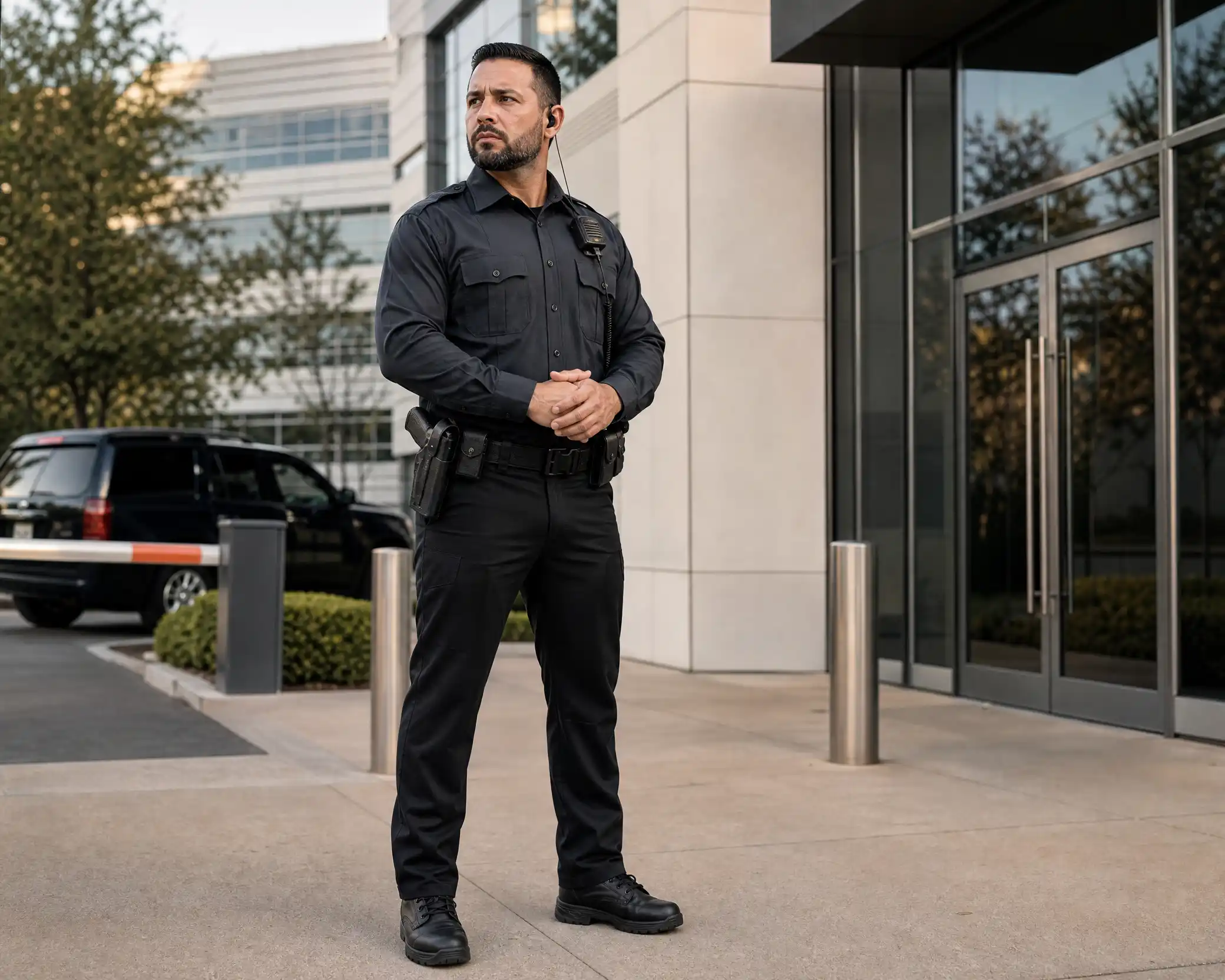
What Is CCTV Monitoring and How Is It Different from Recording-Only Cameras?
When Does a San Francisco Property Need Monitored CCTV?
How GPS CCTV Monitoring Works: Detect -> Verify -> Respond -> Document
- Assess Property Layout, Risk and Existing Cameras
- Define Monitored Zones, Schedules and Priority Events
- Connect Compatible Cameras or Define Needed Changes
- Observe or Detect Activity Under the Approved Monitoring Model
- Verify Relevant Activity Before Escalation Where Possible
- Follow the Client-Defined Response Protocol
- Document Relevant Events
- Review False Alerts and Changing Property Conditions
Active CCTV Monitoring vs. Passive Video Surveillance
| Factor | Monitored CCTV | Recording-Only CCTV |
|---|---|---|
| Primary purpose | Detect/verify events and support response | Record footage for later review |
| Human review | According to monitoring model/events | Usually after an incident |
| Real-time escalation | Possible under defined protocol | Usually no |
| Incident evidence | Yes | Yes |
| False-alert management | Can use rules + verification | Not central unless alerts are configured |
| Best fit | Properties needing active verification/response | Properties mainly needing evidence/visibility |
Event-Based Monitoring vs. Continuous Live Monitoring
Event-based monitoring uses analytics, rules or scheduled triggers to surface activity for review. It can be effective in San Francisco properties where public sidewalks, residents, visitors, deliveries and normal late-night movement make constant manual attention inefficient.
Can GPS Monitor Existing Security Cameras in San Francisco?
Existing camera systems may be usable when the cameras, CCTV feed, NVR, VMS, network security, image quality, lighting, event capabilities and access permissions are compatible with the monitoring service. A compatibility review can determine whether the current system can be monitored as-is or needs selected changes. The goal should be to avoid unnecessary full replacement when an existing camera system is technically suitable. Secure remote access and user permissions should be limited to authorized users.
High-Rise Camera Coverage: Lobby, Elevators, Floors, Garage and Service Access
High-rise monitoring should be designed around movement paths and access decisions rather than camera count. Important zones can include the lobby, entrances, elevator or elevator-lobby areas where appropriate, a restricted floor, common areas, garage levels, loading dock, service entrance, package area and after-hours access routes. A mixed-use tower may have different monitoring rules for office, residential, hotel or retail areas. Camera placement should respect privacy, building policy and private-space exclusions.
Camera Placement, Coverage Zones and Blind-Spot Planning
A useful camera plan reviews entrances, exits, storefronts, garages, loading areas, alleys, rooftops, perimeter, common areas and restricted zones as appropriate. The assessment should consider obstructions, backlighting, reflections, night visibility, elevator and lobby transitions, weather exposure, changing construction barriers and the direction people or vehicles move through the site. No CCTV plan should promise every angle or zero blind spots. Coverage decisions should prioritize the areas where visibility changes a security decision.
Detection Rules for Dense Urban Environments
San Francisco detection rules must account for normal city activity. Pedestrians, residents, hotel guests, delivery drivers, rideshare vehicles, staff, contractors, public sidewalks and late-night foot traffic can all create legitimate movement near monitored areas. Zones, schedules and event criteria should distinguish expected movement from activity that needs review. A repeated false trigger from a public sidewalk should lead to better rule design, not repeated unnecessary escalation.
Video Analytics and False-Alert Filtering
Where supported, video analytics can use motion/event detection, person or vehicle events, virtual lines, detection zones, schedules, exclusions, sensitivity tuning or dwell/loitering-type rules. These controls can reduce irrelevant alerts and help focus operator attention. Monitored CCTV cannot eliminate false alarms. The objective is better false-alert filtering through rule design plus human verification where the service supports it.
Human Verification: What Happens Before an Event Is Escalated?
Human verification reviews the live or event context, compares activity with building schedules and access rules, and decides whether an event appears normal, authorized, suspicious or requires escalation. This step can reduce unnecessary response compared with an unverified automated alert. Verification does not guarantee perfect detection or zero false alarms. The monitoring function should follow the client's response protocol and the capabilities actually contracted.
Response and Escalation for Verified CCTV Events
After a verified event, the response path can include notifying the client contact or property manager, alerting an on-site guard, requesting mobile patrol where contracted, issuing an audio warning where supported and lawful, or contacting emergency services when circumstances warrant. Response contacts may differ for a lobby, garage, loading or service entrance, hotel, residential tower or construction zone. No police priority, arrest outcome or fixed response time is guaranteed.
Incident Clips, Reports and Video Documentation
Where provided, incident documentation can identify the timestamp, camera or zone, relevant incident clip or snapshot, monitoring notes, notifications and actions taken. This supports property management, internal review, incident follow-up and factual documentation. Exact export, download, report format and retention periods should be published only after GPS confirms how its monitoring workflow handles footage and reports.
CCTV Monitoring for San Francisco Property Types
- High-Rise Offices / Financial & Tech Offices
- Hotels / Hospitality
- High-Rise Residential / Mixed-Use
- Retail / Luxury Retail
- Construction / Conversion / Partially Vacant Buildings
- Healthcare / Medical / Public-Facing
- Parking Garages / Vehicle Areas
- Multi-Site Commercial Portfolios
CCTV Monitoring Across San Francisco's Main Commercial Environments
- Financial District: office towers, professional and financial tenants, lobbies, restricted areas and parking garages.
- SoMa / Mission Bay: tech and life-science-adjacent offices, mixed-use properties, construction/conversion, parking and service access.
- Union Square / Downtown: retail, hotels, high visitor volume, storefronts, loading/service access and parking.
- Embarcadero / waterfront commercial: office, hospitality, mixed-use, parking and service/loading contexts without named-client implications.
These San Francisco areas are used as operational context rather than crime-statistic filler or evidence of a client relationship.
High-Rise Monitoring: One Camera Plan Cannot Cover Every Vertical Risk
A high-rise office or mixed-use tower needs different camera and monitoring decisions by access journey. Which entrances are public? Which floors are restricted? Are elevators access-controlled? Is the garage a separate monitoring zone? Are loading docks active after hours? Are hotel, residential and office uses mixed in one property? High-rise monitoring should connect each CCTV feed to a movement path, a monitoring rule and a response responsibility. A generic camera template cannot answer those questions.
Construction-Site CCTV Monitoring as San Francisco Sites Change
Construction-site CCTV monitoring should change as the site changes. Cameras may need to move or be re-aimed when fences, scaffolding, access gates and material zones shift. Detection zones and authorized-worker schedules should also be reviewed, and power or connectivity must remain reliable. Dense San Francisco sites may sit directly beside public sidewalks or neighboring properties. Detection rules should avoid treating ordinary public movement as an intrusion. Guards or patrol may still be required where physical checks or in-person response are necessary.
CCTV Monitoring vs. Security Guards in San Francisco
CCTV monitoring provides remote visual coverage, recorded evidence, event verification and visibility across several cameras. An on-site guard provides continuous physical presence, access control, direct interaction, physical verification and site actions within the guard's role. Use CCTV where remote visibility and verification are sufficient. Add unarmed or armed security when the property needs continuous physical presence, routine access decisions or a response function that cameras alone cannot provide.
CCTV Monitoring vs. Mobile Patrol in San Francisco
CCTV monitoring provides continuous or event-driven remote visibility depending on the monitoring model. Mobile patrol provides intermittent physical visits, gate or door checks, visible presence and in-person verification during a scheduled or randomized visit. A layered model can use CCTV to verify activity and mobile patrol to perform physical response or property checks where that integration is contracted.
CCTV Monitoring + Access Control + Guards: Layered Security for Complex SF Properties
Layered security connects the camera system with the other controls that explain or act on an event. Camera events can help investigate access activity; access control logs can help interpret an entry; unarmed or armed security can handle lobby and visitor needs; and mobile patrol can cover garage, perimeter or after-hours response. Only actual GPS integrations and supported workflows should be published as confirmed capabilities.
When CCTV Monitoring Is Not Enough
CCTV monitoring may not be enough when a property needs a continuously staffed entrance, repeated physical breaches require on-site intervention, blind zones cannot be corrected, connectivity is unreliable, a high-risk site requires physical presence, or there is no workable response path after an event is verified. Depending on the risk, the better solution may be unarmed security, armed security, mobile patrol, access control changes or a security risk assessment combined with monitored video.
Why Choose Grand Protective Security for CCTV Monitoring in San Francisco?
- Monitoring Design Built Around Verification and Response
- High-Rise and Multi-Access Planning
- Layered Security Options
- Dense-Urban Detection and False-Alert Planning
- Existing-Camera Compatibility Assessment Where Supported
- Incident Documentation and Accountability Where Provided
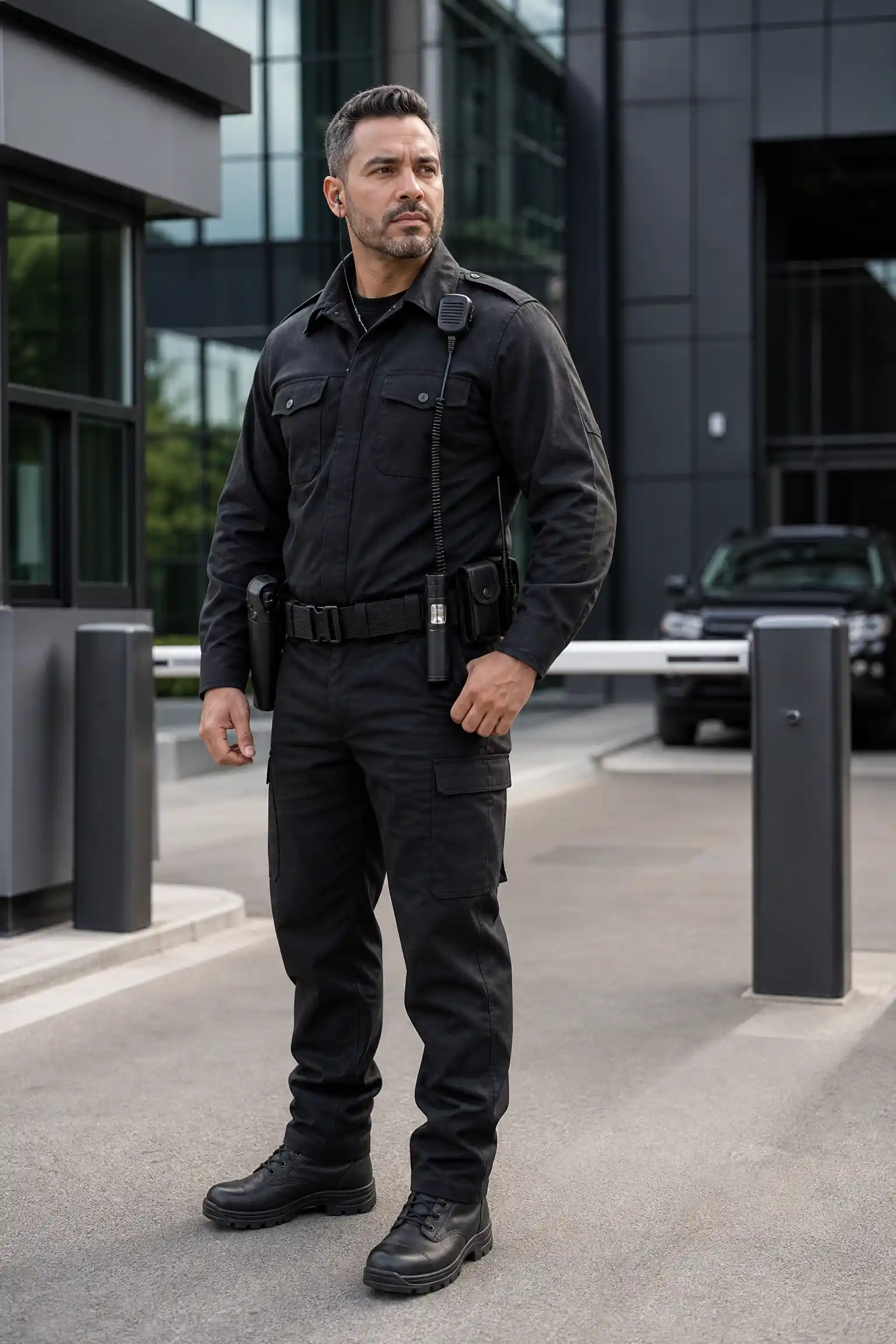
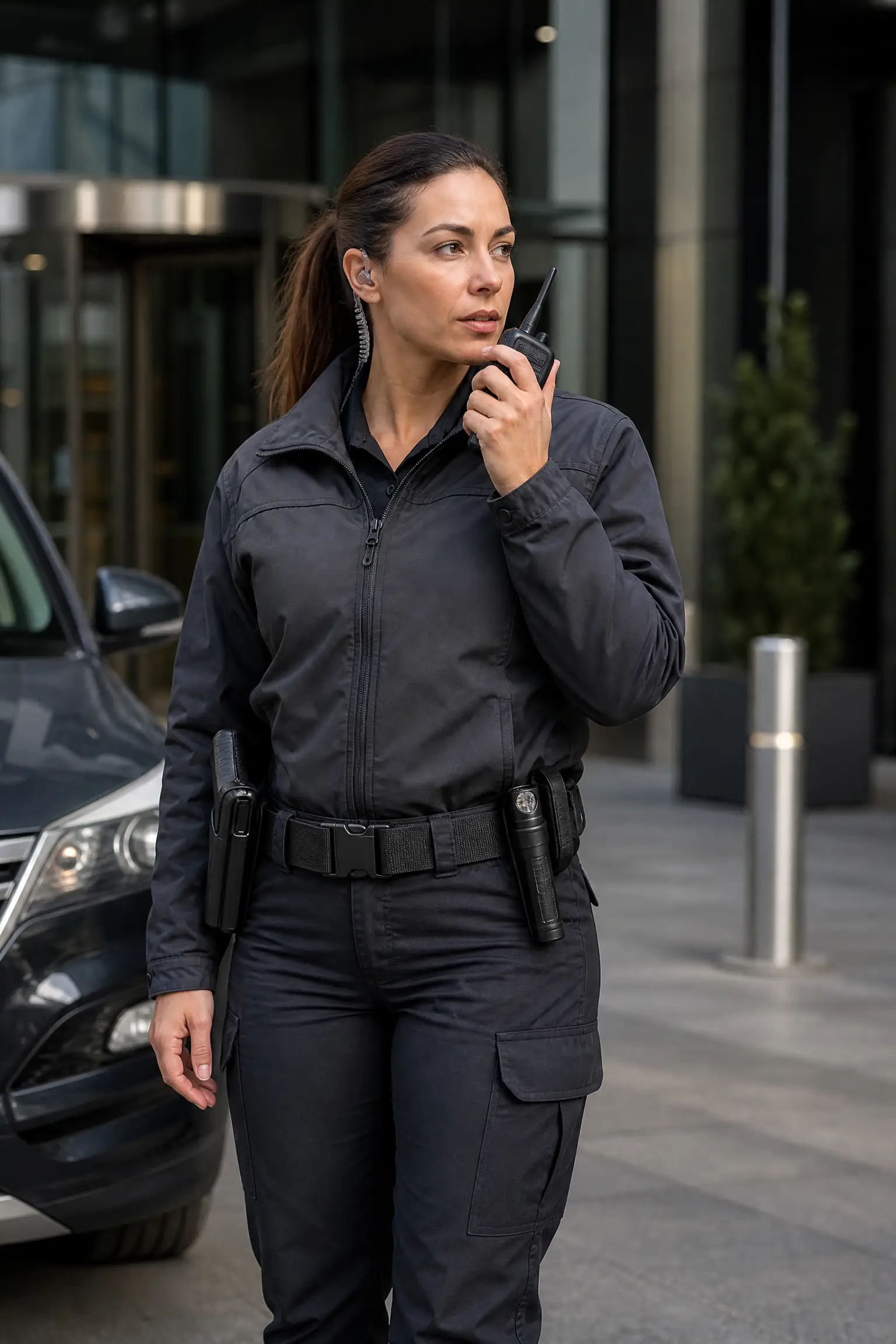
Define the Response Path Before Expanding Camera Coverage
Adding more security cameras does not improve response if nobody knows what happens after an event is verified. Before expanding coverage, define the client contact, on-site response, mobile patrol option, emergency-services threshold and documentation requirement for each priority event.
Separate Coverage Problems From Monitoring-Rule Problems
A missed event can result from poor camera placement, an obstructed view, weak lighting, a bad detection zone, an incorrect schedule or a response-rule gap. Diagnosing the type of failure first prevents unnecessary camera purchases and directs the fix to the right part of the system.
Design High-Rise Monitoring Around Access Journeys
In a vertical property, risk moves through entrances, elevators, restricted floors, garages, loading areas and package or service zones. Mapping those access journeys helps determine which camera feeds require active attention and which events need a different response contact.
San Francisco Areas We Serve with CCTV Monitoring
Frequently Asked Questions About CCTV Monitoring in San Francisco
CCTV monitoring combines camera coverage with active observation or event detection, verification and a defined response process. Recording-only cameras mainly preserve footage for later review. The exact monitoring model should specify whether GPS uses event-driven, continuous live or hybrid review for the contracted property.
Yes. Recording-only CCTV mainly captures evidence for later review. Monitored CCTV adds a process for detecting or observing relevant events, reviewing context, following an escalation protocol and documenting the incident where the service provides reporting.
Not necessarily. Some monitoring services are event-driven, some use continuous live monitoring for selected feeds or periods, and some combine both. Grand Protective Security should describe only its verified operating model and monitoring hours rather than imply every camera receives constant human viewing.
Potentially. Existing cameras may be usable when the feed, NVR or VMS, network access, image quality, lighting, reliability and permissions are compatible. A technical compatibility review should determine whether the current system can be monitored, needs selected upgrades or requires redesigned coverage.
Detection zones, schedules, authorized activity rules and event criteria can help distinguish normal pedestrians, residents, visitors, deliveries, rideshare vehicles and public sidewalk traffic from events that need review. Where supported, analytics plus human verification can reduce unnecessary escalation.
A monitoring protocol can include mobile patrol, on-site guards or emergency services when those response paths are contracted and appropriate. GPS should publish the exact escalation workflow only after confirming what it offers; no police priority or fixed response time should be promised.
Where the service provides them, documentation may include an incident clip or snapshot, timestamp, camera/zone, monitoring notes, notifications, actions taken, incident report or activity report. Exact report format, delivery method and retention should be confirmed before publication.
Remote viewing may be possible where the camera system and GPS service support secure remote access. Access should be limited through authorized user permissions and secure credentials. GPS should confirm its actual portal or app features before representing remote access as standard.
A monitoring plan should avoid inappropriate or private-space camera placement, limit viewing to authorized users, define retention and export permissions, and consider signage, property policy and any audio capability. Dense mixed-use, residential and hospitality sites require careful separation of common areas from private spaces.
Guards are a better fit when the property needs continuous staffed access control, direct visitor interaction, physical verification, immediate on-site presence or response duties that cameras cannot perform. CCTV can still complement guards by providing wider visual coverage and incident evidence.
Cost depends on camera/feed count, monitored hours, event-based versus continuous model, existing-system compatibility, analytics/configuration, upgrades where applicable, connectivity, reporting, retention, multi-site complexity and any patrol or guard integration. A site-specific assessment produces the most accurate quote.