
Armed Security Guards




Request a Free Quote!
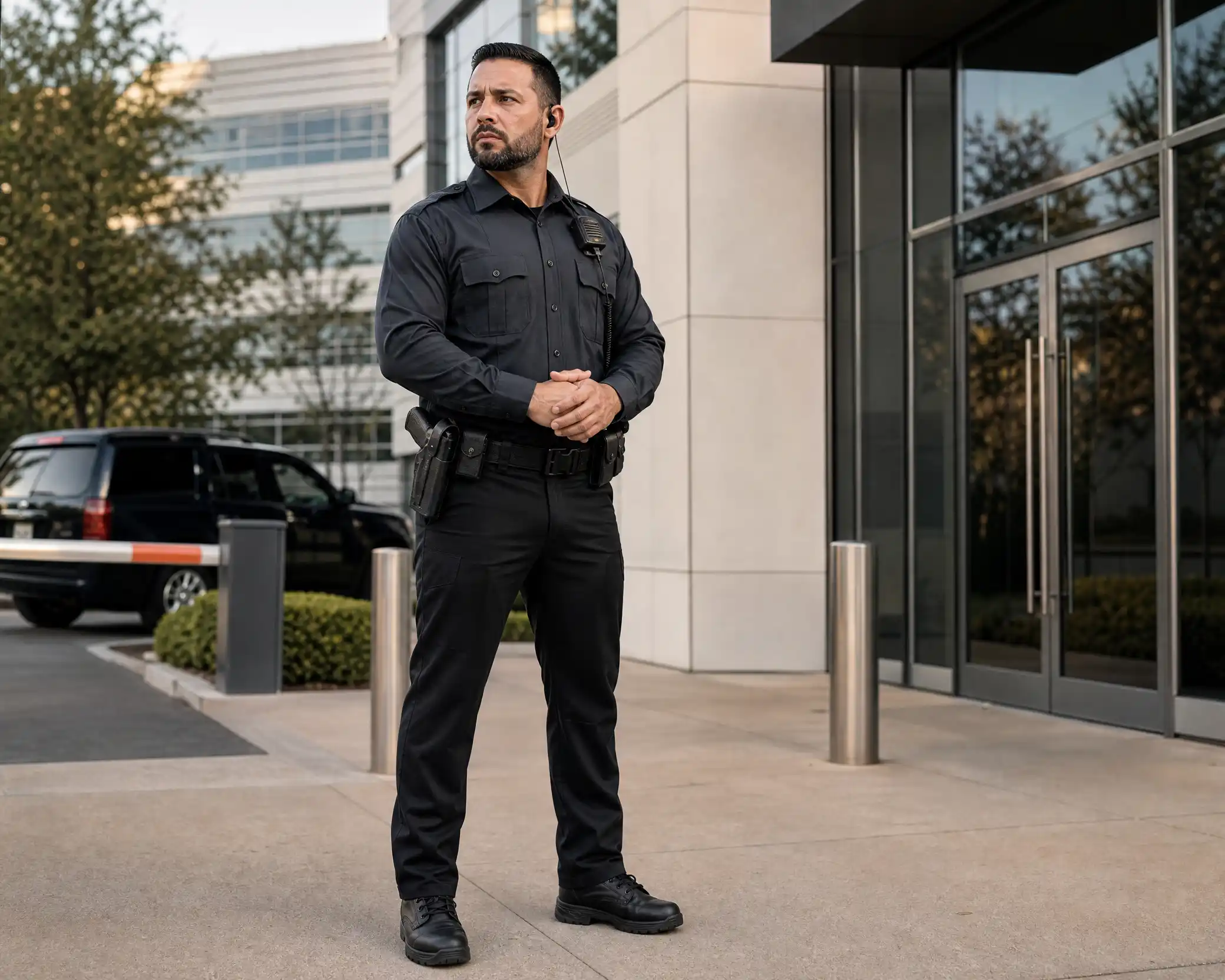
When Should a San Francisco Property Consider Armed Security?
When Armed Security May Not Be Necessary
What Do Armed Security Guards Do at a San Francisco Site?
| Duty | Purpose | Typical SF Context |
|---|---|---|
| Access control | Manage authorized entry under post orders | Office tower lobby, sensitive floor, service entrance |
| Visitor/vendor verification | Check credentials, logs or authorization | Commercial, mixed-use, construction, hotel back-of-house |
| Restricted-area monitoring | Observe access to sensitive spaces | Tech, financial, high-value or restricted floor |
| Assigned foot patrol | Inspect defined site areas while preserving post coverage | Garage, perimeter, common/service areas |
| Observation and communication | Identify conditions and communicate through the chain | Public-facing and higher-risk properties |
| Incident reporting | Create factual documentation | All contracted posts |
| Emergency communication | Contact client/dispatch/public responders under procedure | Serious incident, medical/fire emergency |
| Post-order compliance | Perform only defined site duties and escalation steps | All armed assignments |
Armed security officers are private security personnel, not police officers. Their scope should be defined by law, company policy, client-approved post orders and the specific contract.
How GPS Determines Whether Armed Coverage Is Appropriate
- Review Property Type, Layout and Operations
- Review Threat, Incident History and Asset Sensitivity
- Review Existing Security Controls
- Compare Armed, Unarmed, Patrol, CCTV and Layered Models
- Define Armed Post Scope if Justified
- Write Post Orders, Reporting and Escalation
- Review Performance and Changing Risk
Armed vs. Unarmed Security Guards in San Francisco
| Factor | Armed Guard | Unarmed Guard |
|---|---|---|
| Primary driver | Elevated documented risk | Professional continuous presence without firearm |
| Public/customer-facing fit | Site-specific; may be unsuitable | Often stronger |
| Access control | Strong | Strong |
| High-rise lobby | Only if risk justifies armed staffing | Often default fit |
| Licensing | Guard Registration + applicable Firearms Permit | Security Guard Registration |
| De-escalation | Essential within armed risk context | Central to routine public-facing role |
| Cost tendency | Higher | Lower for comparable hours |
| Best fit | Higher-risk/high-value/sensitive sites | Routine lobby/access/customer-facing posts |
Many San Francisco offices, hotels, apartments and public-facing posts may be better served by unarmed security unless documented risk supports armed staffing. The stronger choice is the one that fits the property, not the one that appears more forceful.
Armed Security vs. Mobile Patrol in San Francisco
| Factor | Armed Standing Guard | Mobile Patrol |
|---|---|---|
| Presence | Continuous during contracted post hours | Intermittent visits |
| Best use | Sensitive higher-risk access or post | Garages, perimeters, multiple sites |
| Access control | Continuous | Limited during visit |
| High-rise coverage | Main post + assigned rounds; needs relief plan | Selected property checkpoints |
| Scalability | One staffed post/site | Can cover multiple locations |
| Cost tendency | Higher continuous labor | Often lower for intermittent checks |
A layered model can place a standing armed officer at a sensitive access point while mobile patrol checks secondary garage, perimeter or remote areas. The model should not leave a critical post uncovered simply to expand patrol range.
California Licensing Requirements for Armed Security Guards
Post Orders for Armed Security in San Francisco
De-Escalation, Judgment and Responsible Escalation
Armed Security for San Francisco Property Types
Office Towers / Financial & Tech Offices
An office tower or financial office may need lobby access control, restricted-floor management, after-hours entry procedures and protection of sensitive or high-value areas. Armed staffing should be used only where the risk supports it; many lobby posts remain better suited to unarmed security.
Luxury / High-Value Retail
Luxury retail and other high-value retail may require stronger security around entrances, closing periods, sensitive merchandise or elevated threat conditions. Customer-facing suitability should be part of the assessment rather than assuming armed presence is appropriate at every storefront.
Hotels / Hospitality
Hotels may have higher-risk back-of-house, service-entrance, event or asset-sensitive situations, while ordinary front-of-house guest service may favor unarmed coverage. Armed guards for hotels San Francisco assignments should therefore be justified by specific risk.
High-Rise Residential / Mixed-Use
High-rise residential and mixed-use properties may need lobby, garage and restricted-access management. Many posts should remain unarmed unless a documented elevated threat or sensitive condition supports armed staffing.
Construction / Conversion / Partially Vacant Buildings
Construction, conversion and partially vacant floors can create changing access, material/equipment, garage, service-zone and after-hours concerns. Compare armed guards, unarmed security and mobile patrol rather than defaulting to continuous armed coverage.
Healthcare / Public-Facing Facilities
Public-facing healthcare environments require strong communication and de-escalation. Armed security should be considered only where policy and documented risk support it; no named hospital or healthcare-client relationship is implied.
Sensitive Tech / Financial / Data Environments
Sensitive facility environments may justify armed coverage where restricted access, high-value assets or high-consequence operations create elevated documented risk. Actual specialist experience should be claimed only with proof.
Parking / Vehicle Facilities
Parking garages and vehicle areas may need visibility, restricted access and after-hours coverage. Depending on risk, mobile patrol, CCTV, unarmed staffing or an armed post may be the better fit.
Armed Security for San Francisco's Main Commercial Environments
- Financial District: office towers, financial and professional tenants, lobby control, restricted-floor access and sensitive commercial environments.
- SoMa / Mission Bay: tech offices, mixed-use properties, construction or conversion, garages and service-access conditions.
- Union Square / Downtown Retail: luxury and high-value retail, hospitality, closing periods, events and public-facing suitability decisions.
- Embarcadero / Waterfront Commercial: mixed commercial, hospitality and parking contexts without implying a named-facility or public-agency contract.
San Francisco geography is used to explain operating conditions, not to repeat neighborhood names or sensationalize crime.
High-Rise Armed Security: Lobby, Floors, Garage and Service Access
High-rise security requires a coverage plan, not just a guard count. The assessment should define where the armed post is located, which floors or areas are restricted, who manages lobby and visitor access, whether garages and service entrances are included, whether vacant floors are in scope, and who covers the primary post during assigned rounds or breaks. A single officer cannot provide continuous lobby control and full-building patrol at the same time without relief or a deliberate coverage tradeoff. This vertical-property decision is especially important in San Francisco office towers, mixed-use buildings and high-rise residential properties
Access Control and Visitor/Vendor Management
An armed officer may manage badges or IDs, visitor logs, contractor and vendor authorization, after-hours access, deliveries, service entrances and restricted access under site-specific post orders. Access control should define who is authorized, who can approve an exception and what the officer does when authorization is unclear. If routine visitor management is the primary need and the threat level is low, an unarmed guard may be more appropriate than armed staffing.
Armed Foot Patrols, Parking Garages and Site Rounds
On-site armed officers may perform assigned foot patrol, garage patrol or site rounds when those duties are written into the post orders. Rounds can cover specified floors, parking areas, perimeter or service zones, but they should not leave a critical lobby or access post without a coverage plan. This differs from Mobile Patrol, which is a separate recurring vehicle-based service designed to visit selected checkpoints or multiple properties.
Incident Reporting, Supervisor Oversight and Relief Coverage
Armed-post accountability should address daily activity and incident reports, attendance or check-in, escalation records, post-order compliance, supervisor field checks, relief coverage, break coverage, absence replacement and client communication. Buyers should ask who verifies guard presence and who assumes the post when the assigned officer is unavailable. GPS-specific supervisor checks, guard-tour technology, GPS reporting, relief workflow and dispatch process should be published only after those capabilities are verified.
Armed Security for SF Property Managers and Multi-Site Portfolios
Property managers may operate several San Francisco sites with different risk profiles. One property may require armed security, another unarmed lobby coverage, another mobile patrol, and another CCTV monitoring. A portfolio plan should allow site-by-site assessment while standardizing reporting, escalation contacts and post-order structure where practical. This approach avoids applying the highest-security model to every property simply for administrative consistency.
Layered Security: Armed Guards + CCTV + Patrol + Access Control
Layered security uses each control for the job it performs best. An armed guard can cover a sensitive access point, CCTV can support wider observation, mobile patrol can check remote garage or perimeter zones, and an access control system can support credential decisions. The combination should reflect the property risk and operating model. Only integrations and dispatch relationships that Grand Protective Security actually provides should be presented as confirmed capabilities.
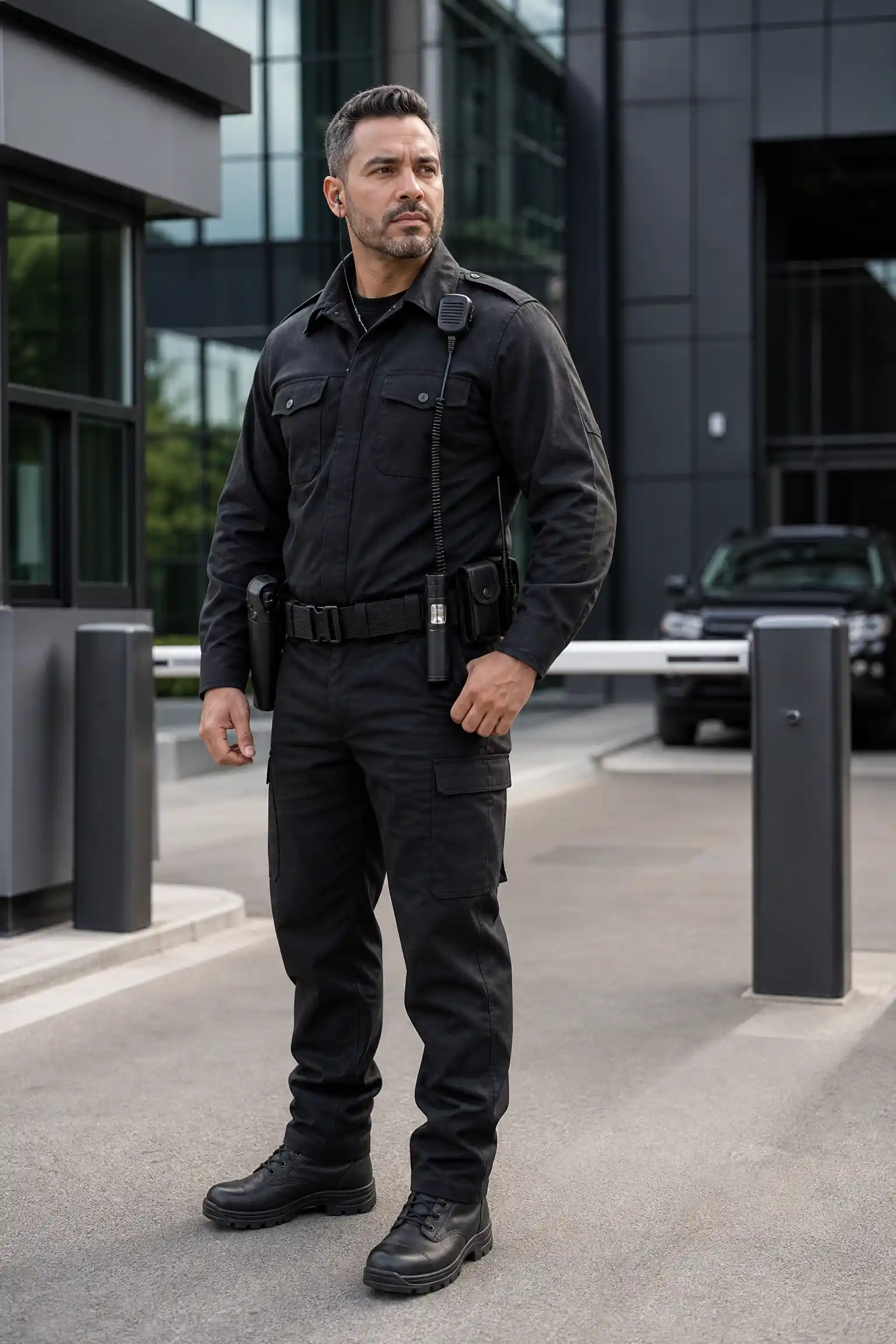
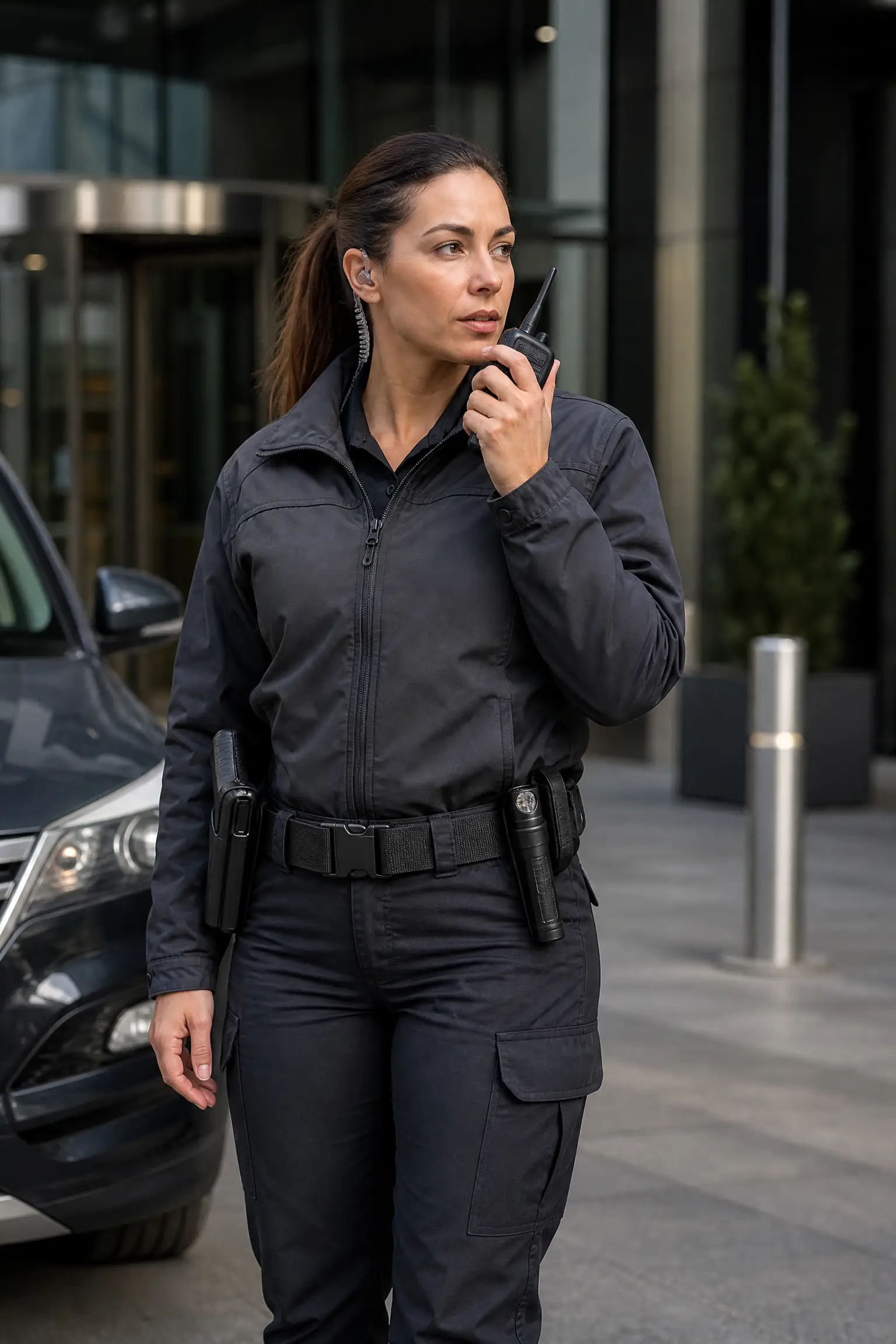
Why Choose Grand Protective Security for Armed Security in San Francisco?
- Risk-Based Armed Deployment
- Site-Specific Post Orders
- Multiple Security Models to Compare
- California PPO and BSIS Compliance Context
- Reporting, Supervision and Relief Where Verified
- Bay Area Service Context and First-Party Proof
Define the High-Risk Decision Before Assigning an Armed Post
Before selecting an armed post, define the decision that requires an armed officer. Is the property protecting sensitive access, high-value assets, a high-consequence operation or a location with documented serious threat? This prevents armed staffing from becoming a vague symbol of protection rather than a justified operational control.
Separate the Main Post From Secondary Coverage Zones
San Francisco vertical properties often have a primary lobby or access post plus garages, service entrances, loading areas or upper floors that also require attention. Treating these as separate coverage zones helps determine whether relief, another officer, CCTV or mobile patrol is needed instead of expecting one officer to be everywhere.
Build Relief Coverage Into the Post Before the First Shift
A continuous armed post needs a plan for breaks, absence and assigned rounds. Relief should be part of post design rather than an afterthought because an uncovered lobby, gate or sensitive access point can create a gap precisely when the primary officer leaves the post.
Review Armed Coverage When the Property or Threat Profile Changes
Renovations, tenant turnover, new restricted areas, new operating hours, construction phases, incident patterns or access-system changes can alter the justification for armed coverage. A post that was appropriate six months ago may need to be expanded, reduced or converted to a different model.
Use Armed Security as One Control, Not the Entire Security Plan
Armed staffing cannot fix every vulnerability. Weak visitor procedures, poor lighting, uncontrolled credentials, missing camera views or unclear escalation can still undermine a site. The stronger plan connects the armed post to access control, reporting, CCTV, patrol and management procedures where those controls are needed.
San Francisco Areas We Serve with Armed Security Guards
Armed security guard services may be available for genuine San Francisco assignments in the Financial District, SoMa, Mission Bay, Union Square, Embarcadero, Nob Hill, Pacific Heights, Marina, Mission District and other areas where Grand Protective Security provides service. This local coverage section is intentionally concise. It does not imply an SF office, SFPD partnership, named-building contract or client relationship with any specific business, hotel, hospital, public agency or landmark.