
Unarmed Security Guards for Construction Sites: What Do They Protect?
Quick answer: Unarmed security guards protect construction sites by controlling access, monitoring equipment and materials, patrolling vulnerable areas, identifying suspicious activity, documenting incidents, and reporting security concerns to site management or law enforcement when necessary. Their role is focused on prevention, observation, communication, and timely escalation rather than physical confrontation.
Construction sites face security challenges that are different from occupied offices, retail stores, or residential properties. A project may contain expensive machinery, power tools, copper wiring, fuel, building materials, and other valuable assets while having very few people on-site after working hours. Temporary fencing, unfinished structures, multiple entrances, and changing work crews can create additional opportunities for theft, vandalism, trespassing, and unauthorized access.
Choosing a reliable security guard company in Albany businesses can trust is essential for protecting people, property, and daily operations. Grand Protective Security provides professional guard services, mobile patrols, CCTV monitoring, and tailored security solutions designed around each client’s specific risks and requirements.
For construction sites where maintaining a visible security presence is the main priority, professional unarmed security guards can help control access, monitor activity, and deter unauthorized entry. Trained guards can also patrol vulnerable areas and document suspicious incidents before they escalate. Explore our unarmed security guard services for dependable protection tailored to your site.
What Do Unarmed Security Guards for Construction Sites Protect?
The responsibilities of an unarmed security guard can extend across the entire property rather than focusing on one specific asset. Depending on the site’s security plan, guards may protect:
Construction Equipment and Machinery
Construction equipment can represent a substantial investment. Excavators, loaders, generators, lifts, compressors, and other machinery may remain on the property overnight, during weekends, or during project shutdowns.
Guards can check equipment areas during scheduled patrols, look for unauthorized movement, and report signs of tampering or attempted theft. Their visible presence also creates an additional deterrent around equipment that might otherwise be left unattended.
Some construction projects face higher security risks because of valuable equipment, isolated locations, or repeated theft incidents. In these situations, armed security guard services can provide an enhanced level of professional protection and emergency preparedness. A site-specific risk assessment can help determine whether armed or unarmed personnel are more appropriate.
Tools and Building Materials
Tools and materials can be vulnerable because many construction sites store them in accessible locations before they are installed.
Power tools, electrical components, copper wiring, lumber, fixtures, and other supplies can disappear gradually without immediately attracting attention. Security guards can monitor storage areas, record unusual activity, and report missing or damaged materials to site management.
Entry and Exit Points
Construction projects often have several access points for employees, subcontractors, delivery drivers, suppliers, and visitors.
An unarmed guard can monitor designated entrances and follow the site’s procedures for determining whether someone is authorized to enter. This helps reduce uncontrolled access and gives management greater visibility into activity around the property.
H3 Workers and Visitors
Construction sites can have a constantly changing population of workers and contractors. New subcontractors may arrive, deliveries may be scheduled, and visitors may need access to specific areas.
A guard can help direct authorized visitors, identify people who cannot establish a legitimate reason for being on-site, and notify management when access requirements are not being followed.
Large construction properties often contain multiple access points, storage areas, parking zones, and perimeter sections that require regular inspection. Mobile patrol security services provide a visible security presence across these areas while helping identify suspicious activity, trespassing, or unsecured property. Patrol schedules can be customized around the layout and operating hours of the construction site.
Why Construction Sites Need a Different Security Approach
Unarmed security guards for construction sites cannot always follow the same procedures throughout a project because the site’s risks change as work progresses.
Early construction may involve heavy machinery and open perimeter areas. Later stages may introduce expensive electrical components, plumbing materials, fixtures, and finished equipment. At the same time, access points can change as temporary entrances are closed and new areas become accessible.
This means security planning should consider the current phase of construction, not simply the original site layout.
A guard who understands the project’s current activities can pay closer attention to the areas presenting the greatest risk. For example, a material storage area may require additional monitoring after a large delivery, while an unfinished building may require more frequent patrols once workers have left for the day.
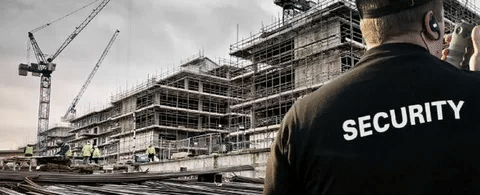
How Unarmed Guards Protect Construction Sites After Hours
After-hours security for construction sites is important because construction activity drops significantly when workers leave.
During the day, workers, supervisors, subcontractors, and delivery drivers create natural activity around the property. At night or during weekends, that activity may disappear, leaving equipment and materials with little human oversight.
Depending on the site’s procedures, an unarmed guard may:
- Monitor designated gates and entrances
- Conduct interior or exterior patrols
- Check equipment and material storage areas
- Look for damaged fencing or gates
- Watch for unauthorized vehicles
- Identify signs of forced entry
- Report suspicious activity
- Record incidents and unusual observations
- Contact designated management or emergency services when required
The purpose is not to physically confront every person who appears suspicious. The guard’s responsibility is to recognize potential problems and follow the established response and escalation procedures.
5 Areas Unarmed Security Guards Should Monitor
Construction sites contain many potential vulnerabilities, but some areas normally deserve closer attention.
1. Perimeter and Fencing
Temporary fencing is often the first physical barrier around a construction property. Damaged sections, gaps, unlocked gates, or moved barriers can create unauthorized access points.
Regular patrols allow guards to identify these problems and report them before they become larger security weaknesses.
2. Equipment Areas
Heavy machinery and portable equipment should be checked according to the site’s security procedures. Guards can watch for unauthorized movement, signs of tampering, or activity around equipment during periods when workers are absent.
3. Material Storage Areas
Materials stored outside or inside unfinished structures may be easier to access than completed sections of a building. Guards can include these locations in patrol routes and document unusual activity or missing materials.
4. Access Gates
A poorly monitored gate can undermine an otherwise strong perimeter. Guards can monitor vehicle and pedestrian movement according to established access rules and report attempts to enter without authorization.
5. Unfinished Structures
Open floors, temporary doors, stairways, and incomplete sections of buildings can attract trespassers. These areas may also contain equipment and materials that require monitoring.
Regular patrols help security personnel identify unauthorized activity and physical vulnerabilities.
How Guards Control Access Without Disrupting Construction
Unarmed security guards for construction sites need to support construction operations through effective access control without unnecessarily slowing them down.
A site may have different procedures for regular employees, approved subcontractors, scheduled deliveries, project managers, visitors, and emergency personnel. Security guards can follow the instructions established by site management instead of applying the same process to everyone.
Clear procedures can include designated entrances, approved delivery times, visitor requirements, and restricted areas.
This approach gives the security guard a consistent framework while allowing legitimate construction activity to continue efficiently.
Security cameras become more effective when they are supported by professional CCTV monitoring services that help detect unusual activity across a construction site. Monitoring can strengthen coverage of entrances, equipment storage areas, perimeter zones, and other vulnerable locations. Combining surveillance with on-site guards creates a more comprehensive construction security strategy.
What Happens When a Guard Finds Suspicious Activity?
Unarmed guards should respond according to the circumstances rather than treating every unusual situation as an emergency.
For example, someone near the property during normal working hours may have a legitimate reason to be there. The same behavior late at night near a damaged fence may require closer attention.
A typical response involves several steps:
Observe: The guard determines what is happening and records useful details such as time, location, vehicle information, or direction of movement.
Communicate: If the situation requires action, the guard contacts the appropriate supervisor, site manager, control room, or law enforcement according to the security plan.
De-escalate: If direct communication is appropriate and safe, the guard may calmly address someone who is in an unauthorized area or appears confused.
Document: The incident and response are recorded so management can identify recurring problems and review security procedures.
This process helps guards respond consistently without unnecessary confrontation.
Security Risks Can Change During the Project
One important consideration for construction managers is that security risks are not fixed.
| Construction Phase | Main Security Considerations |
| Site preparation | Perimeter, machinery, unauthorized access |
| Excavation | Heavy equipment and open site boundaries |
| Framing | Building materials, tools, access points |
| Electrical and plumbing | Valuable components and restricted areas |
| Interior finishing | Fixtures, tools, installed equipment |
| Final stages | Completed areas, remaining equipment, unauthorized entry |
A security plan that worked during site preparation may not be sufficient several months later.
Regular reviews allow management to adjust patrol routes, access procedures, lighting, storage arrangements, and guard responsibilities as the site develops.
Why Documentation Matters on Construction Sites
For unarmed security guards for construction sites, security reporting is not simply administrative work.
For example, one report may show that a gate was left open. Another may record an unfamiliar vehicle near the same entrance. A later report may identify missing materials from a nearby storage area.
When these observations are consistently documented, management can recognize a recurring vulnerability and take corrective action.
Reports can also provide a record of when an issue was discovered, who was notified, and what action was taken.
Combining Unarmed Guards With Security Technology
Construction sites can use guards alongside security technology rather than treating them as competing solutions.
Depending on the project, security measures may include:
- CCTV cameras
- Motion-activated lighting
- Access-control systems
- Perimeter lighting
- Alarm systems
- Radios
- Digital incident-reporting systems
Technology can provide additional visibility, while an on-site guard can interpret activity and respond according to site procedures.
For example, a camera may capture movement near a gate, but a guard can determine whether the person is an authorized worker, a scheduled delivery driver, or someone who should not be there.
What Should a Construction Security Plan Include?
Before deploying unarmed security guards for a construction site, contractors and property managers should establish clear post orders. A construction security plan should define:
Access Rules
Identify who can enter the site, which entrances should be used, and what procedures apply to workers, contractors, deliveries, and visitors.
Patrol Requirements
Specify which areas need regular patrols and whether certain locations require additional checks during particular hours.
Vulnerable Locations
Identify where expensive equipment, materials, fuel, tools, or sensitive access points are located.
Escalation Procedures
Explain who the guard should contact for suspicious activity, property damage, suspected theft, emergencies, or unauthorized access.
Reporting Requirements
Define what information should be included in daily activity reports and incident reports.
Clear post orders reduce uncertainty and help different guards follow the same procedures across shifts.
When Should a Construction Site Consider Unarmed Security?
Not every construction site has identical security needs. The decision to hire unarmed security guards for construction sites should be based on the property’s exposure, assets, location, operating schedule, and previous incidents.
Unarmed security may be particularly useful when a project has:
- Expensive equipment left overnight
- Large quantities of materials stored on-site
- Multiple access points
- Limited perimeter lighting
- Remote or isolated locations
- Long periods without workers
- Frequent deliveries and subcontractors
- Previous theft, vandalism, or trespassing
- Vulnerable fencing or gates
The objective is to identify the site’s actual security gaps and determine whether an on-site guard can address them.
How to Choose an Unarmed Security Provider for a Construction Site
Contractors looking for unarmed security guards for construction sites should evaluate more than the number of guards a company can provide.
Before hiring a security provider, ask:
- Does the company have experience with construction sites?
- How are guards trained to handle suspicious activity?
- Can the provider create site-specific post orders?
- How are patrols documented?
- What is the escalation process for suspected theft or trespassing?
- How quickly are incidents reported?
- Can coverage change as the project progresses?
- How does the company supervise guards after deployment?
A provider should be able to explain how its procedures would fit the site’s layout, operating schedule, assets, and specific risks.
Common Security Mistakes on Construction Sites
Several planning problems can reduce the effectiveness of an otherwise useful security program.
Unclear access procedures: Guards cannot enforce rules consistently if management has not defined who is authorized to enter.
Predictable patrols: Patrols that always follow the exact same route at the exact same time can leave certain areas insufficiently monitored.
Poor lighting: Dark gates, storage areas, and perimeter sections can make observation more difficult.
Weak documentation: Missing or inconsistent reports make it harder to identify recurring vulnerabilities.
No escalation chain: Guards need clear instructions about who to contact and when law enforcement should be involved.
Outdated security plans: A plan created during the first phase of construction may not address risks that appear later.
Frequently Asked Questions
What do unarmed security guards protect at construction sites?
They can protect construction equipment, tools, building materials, access points, workers, visitors, and the property itself through access control, patrols, observation, reporting, and incident response.
Can unarmed guards prevent construction-site theft?
No security measure can guarantee that theft will never occur. However, visible security presence, access control, patrols, documentation, and timely reporting can help deter unauthorized activity and identify security weaknesses.
Do construction sites need security at night?
It depends on the site’s risk level. Projects with expensive equipment, valuable materials, isolated locations, multiple access points, or previous security incidents may have greater need for after-hours security.
Can unarmed guards check construction workers?
Yes, when access verification is included in the site’s security procedures. The exact process depends on the rules established by the contractor or property manager.
Can an unarmed security guard remove a trespasser?
The guard’s authority depends on applicable law, company policy, and site procedures. In general, unarmed guards focus on observation, communication, de-escalation, reporting, and contacting appropriate authorities rather than physically confronting or restraining people.
Should construction security change during different project phases?
Yes. Equipment, materials, access points, and vulnerable areas can change throughout construction. Security procedures should be reviewed when the site’s risks or layout change.
Are guards better than cameras for construction security?
They serve different purposes. Cameras provide monitoring and recorded footage, while guards provide physical presence, access control, patrols, real-time observation, and human judgment. Using both can provide broader coverage when the site’s risk profile justifies it.
Conclusion
Unarmed security guards for construction sites protect valuable equipment and property through access control, patrols, observation, documentation, and timely communication.
The most effective approach is not simply placing a guard at the front gate. Security responsibilities should match the construction site’s current risks and change as the project develops.
For contractors and property managers, a well-designed security plan should clearly define access procedures, patrol areas, vulnerable locations, reporting requirements, and escalation procedures. When those responsibilities are combined with appropriate lighting, cameras, alarms, and other security measures, an unarmed guard can become a practical part of a construction site’s overall risk-management strategy.